
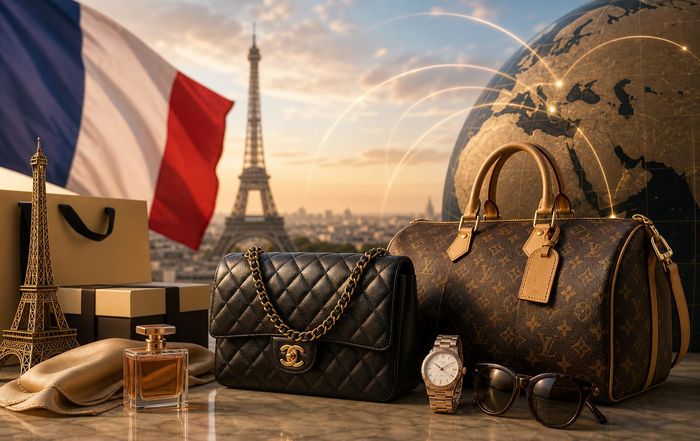
France's Luxury Goods Industry and the Shifting Map of Global Demand
France's luxury sector sits at the intersection of culture, finance, and global trade. From haute couture and leather goods to fine wines and cosmetics, French maisons have become bellwethers for international consumer confidence and wealth trends. For investors, executives, and policymakers, understanding how demand is evolving across regions and demographics is increasingly important as the industry navigates slower growth in China, resilient spending in the United States, and rising affluence in markets from the Middle East to Southeast Asia.
This article examines the structure of France's luxury industry, recent financial performance, where demand is coming from, and how macroeconomic and regulatory forces are reshaping the outlook. It also considers what the current environment means for markets, corporate strategy, and long-term investors.
How big is France's luxury industry?
France is home to several of the world's most valuable luxury groups, including LVMH, Kering, Hermès, Chanel (privately held), and L'Oréal's luxury division. Together, these groups dominate global markets for handbags, fashion, jewelry, perfumes, cosmetics, and wines and spirits.
LVMH alone reported revenue of around €86.2 billion in 2023, according to its annual report, making it the largest luxury group worldwide. Hermès generated about €13.4 billion in 2023 sales, with an operating margin above 40%, as noted in its 2023 universal registration document. Kering, owner of Gucci, Saint Laurent and Bottega Veneta, reported €19.6 billion in revenue in 2023, but with a pronounced slowdown at Gucci, according to its financial publications. These numbers underscore how concentrated global luxury value creation is in France.
The industry's economic footprint extends far beyond headline revenues. According to a 2022 study by the Fédération de la Haute Couture et de la Mode and consultancy McKinsey, fashion and luxury together account for hundreds of thousands of direct and indirect jobs in France, including artisans, designers, logistics workers, and retail staff. The luxury sector also contributes substantially to French exports; Business France and INSEE data show that perfumes, cosmetics, wines, and fashion goods are consistently among the country's top export categories. For readers following broader economic indicators, this places luxury squarely within the country's economy story, not just its cultural identity.
The business model: scarcity, heritage, and pricing power
French luxury houses rely on a model built around brand heritage, controlled distribution, and disciplined pricing, which together create high margins and resilience. Most leading groups emphasize a mix of:
Strong brand narratives linked to French craftsmanship and history.
Tight control over wholesale channels and a growing emphasis on direct-to-consumer retail, including e-commerce.
Limited production of flagship items, especially in leather goods and high jewelry, to maintain scarcity.
Regular price increases that often outpace inflation, particularly for iconic handbags and accessories.
For example, industry analysts have documented repeated price rises on Hermès Birkin and Kelly bags and on Chanel's classic flap bags over the past decade, helping sustain revenue growth even when unit volumes are constrained. A 2023 report by Bain & Company and Altagamma on the global personal luxury goods market noted that price increases and "mix up" (selling more high-end or customized products) have been major drivers of sales growth in recent years, compensating for more volatile traffic and volumes in some regions. The report, available via Bain's luxury market study, is widely used in the sector as a demand benchmark.
The result is a sector that tends to be more resilient than mass retail in downturns, but not immune. When high-end consumers cut back on discretionary purchases, even premium brands can see slower growth or declines, particularly in cyclical categories like fashion and watches. Investors tracking stocks of LVMH, Kering, and Hermès have seen this cyclicality in share price performance, especially during periods of macro uncertainty or shifts in Chinese demand.
Where demand comes from: geographic and demographic shifts
Europe and the United States
Europe remains vital as a production base and as a destination for tourism-related spending, but domestic European demand is only part of the picture. A significant share of sales in Paris, Milan, and other hubs comes from international tourists, especially from Asia and the Middle East. Data from Global Blue, a tax-refund operator, show that tourist spending on luxury in Europe rebounded sharply in 2023 and 2024 as travel recovered after the pandemic, though Chinese tourism has returned more slowly than from the U.S. and Gulf countries.
The United States has emerged as one of the strongest demand engines in recent years. According to Bain's 2023 luxury report, the U.S. remained the largest single market for personal luxury goods by value, supported by high-income consumers and a broadening base of aspirational buyers. French groups have invested heavily in American flagship stores and marketing. LVMH's acquisition of U.S. jeweler Tiffany & Co. in 2021, detailed in its transaction documentation, was in part a bet on U.S. and global jewelry demand.
However, higher interest rates and concerns about a potential U.S. slowdown have introduced some caution. Earnings calls from LVMH and Kering in 2024, available via their investor relations pages, have described U.S. demand as "normalizing" rather than booming, with a clear bifurcation: ultra-high-net-worth clients continue to spend, while aspirational customers are more sensitive to economic news and credit conditions.
China and broader Asia
China has been the defining growth story for global luxury over the past 15 years. The China Luxury Report 2023 by McKinsey & Company estimated that Chinese consumers, whether shopping domestically or abroad, accounted for roughly a quarter to a third of global luxury spending before the pandemic. French brands were major beneficiaries, building extensive retail networks in mainland cities and tailoring products and campaigns to Chinese tastes.
Since 2022, the picture has become more complex. China's uneven post-pandemic recovery, property-sector stress, and youth unemployment have dampened consumer confidence. LVMH and Kering have both reported slower growth in China relative to earlier years, and some quarters of flat or slightly negative comparable sales in the region. The People's Bank of China and National Bureau of Statistics data point to pressure on middle-class wealth, which matters for aspirational luxury segments.
At the same time, Chinese outbound tourism is recovering, albeit gradually. Spending is less concentrated in Europe than before; destinations in Southeast Asia, Japan, and the Middle East are capturing more of this demand. That diversification is changing the geography of French luxury sales, pushing brands to deepen their presence in markets such as Thailand, Singapore, and the United Arab Emirates.
Beyond China, other Asian markets are growing in importance. Bain's 2023 study highlighted strong momentum in South Korea, Japan, and parts of Southeast Asia, where rising incomes and sophisticated domestic fashion cultures support premium segments. For French luxury groups, this diversification can offset some of the volatility in China, but it also requires more localized strategies and investment in trade and logistics.
Middle East and other emerging markets
Luxury demand in the Gulf Cooperation Council (GCC) countries has been robust, supported by high oil revenues, ambitious tourism strategies, and growing populations of high-net-worth individuals. Government initiatives such as Saudi Vision 2030 and Dubai's tourism expansion have attracted more global luxury events and flagships. Data from Knight Frank and Credit Suisse/UBS on global wealth distribution show that the Middle East has one of the highest concentrations of millionaires per capita, a key indicator for high-end luxury sales.
Latin America and Africa remain smaller in absolute terms but are increasingly on the radar of French brands. Brazil, Mexico, and South Africa host growing affluent classes and luxury retail clusters, though macro volatility and currency risk can be significant. For now, these regions are often served via travel retail and selective local partnerships rather than the dense store networks seen in China or the U.S.
What's happening to international tourist spending?
International tourism is a crucial driver of French luxury sales, both domestically and across Europe. Before COVID-19, tourists-especially from China, the U.S., and the Middle East-accounted for a large share of luxury purchases in Paris and other European capitals. Lockdowns and travel restrictions in 2020-2021 caused a sharp drop in this channel, forcing brands to rely more heavily on domestic and online sales.
As borders reopened, tourist spending rebounded. Data from the UN World Tourism Organization (UNWTO), available on its tourism statistics portal, show that international arrivals in Europe returned close to pre-pandemic levels by 2023, with the Americas and Middle East also recovering strongly. Luxury groups have confirmed a resurgence of tourist sales in Europe, particularly from U.S. and Middle Eastern visitors.
However, Chinese tourism to Europe remains below 2019 levels, reflecting both logistical factors and a shift toward regional travel. This matters for French luxury houses because Chinese tourists historically took advantage of price differentials and tax-free shopping in Europe. While some of that demand has moved online or back to mainland China, the mix shift reduces the high-margin tourist component in European stores.
For investors and analysts following markets, monitoring travel data, visa policies, and tax-free shopping regulations has become part of understanding luxury earnings. For example, the U.K.'s decision to end VAT-free shopping for tourists after Brexit has been cited by some retailers and industry groups, such as the New West End Company, as a factor pushing high-spending visitors toward Paris, Milan, and other EU destinations.
Macroeconomic headwinds: inflation, rates, and currency moves
The global macro environment over the past two years has been characterized by elevated inflation, higher interest rates, and currency volatility. Each of these factors affects France's luxury industry in different ways.
On the cost side, inflation in wages, energy, and raw materials has pressured margins, particularly for less exclusive brands. However, leading French houses have been able to pass on much of these costs through price increases, leveraging their brand equity and perceived timelessness. This pricing power is one reason luxury stocks are often seen as quasi-defensive within the investing universe.
Higher interest rates, especially in the U.S. and Europe, can weigh on discretionary spending and on valuations of growth stocks, including luxury groups. As central banks like the Federal Reserve and European Central Bank have signaled eventual but cautious rate cuts, investors have adjusted their expectations for luxury earnings growth and discount rates. Analysts at major banks, including Goldman Sachs and Morgan Stanley, have in recent research notes pointed to a "normalization" of growth in the sector after the post-pandemic boom.
Currency moves also matter. A strong euro can reduce the competitiveness of European prices for tourists and lower the translated value of overseas earnings. Conversely, a weaker euro can boost reported revenue and make European shopping more attractive to visitors. Luxury groups typically hedge currency risks, but sustained moves still show up in reported figures and in relative performance across regions.
Regulation, ESG, and reputational risk
Regulation and sustainability pressures are increasingly shaping how French luxury companies operate, from sourcing and manufacturing to marketing and reporting. The European Union's Corporate Sustainability Reporting Directive (CSRD) and France's own Loi Pacte and due-diligence laws require larger companies to provide more detailed disclosures on environmental, social, and governance (ESG) metrics. These frameworks are detailed on the European Commission's sustainability reporting pages and by the French Ministry for the Economy and Finance.
Luxury brands face scrutiny on several fronts:
Environmental impact of materials such as leather, exotic skins, and precious metals.
Carbon emissions from global supply chains and retail networks.
Labor conditions in subcontracted manufacturing and raw-material sourcing.
Animal welfare in the context of fur, exotic leathers, and cosmetics testing.
Overproduction and waste in fashion and accessories.
In response, major French groups have launched high-profile sustainability strategies. LVMH's "Life 360" program, described on its sustainability site, sets targets for eco-design, traceability, and biodiversity. Kering has pioneered the use of an Environmental Profit & Loss (EP&L) account, publicly available on its sustainability pages, to quantify environmental impacts in monetary terms. Hermès emphasizes long product lifecycles, repair services, and artisanal production as part of its ESG narrative.
For consumers, especially younger cohorts, these issues are becoming more salient. Surveys by Deloitte and BCG have found that Gen Z and younger millennials are more likely to consider sustainability and ethics when choosing luxury brands, even if price and design remain primary drivers. This shift intersects with broader interest in sustainability in finance and corporate strategy.
Digital transformation, tech, and the rise of new channels
The digitalization of luxury has accelerated since the pandemic. While French maisons were once cautious about selling high-end products online, they now see e-commerce and digital engagement as essential to reaching younger consumers and new markets.
LVMH launched its multi-brand e-commerce platform 24S and has expanded direct brand sites; Kering brands like Gucci have invested in sophisticated online stores and virtual try-on tools; Hermès has carefully increased online availability of certain categories while keeping strict control of iconic products. Digital marketing, including social media, livestreaming in Asia, and collaborations with online platforms, is now central to brand strategies.
At the same time, technology is reshaping the customer experience in stores. Clienteling apps, data-driven personalization, and appointment-based luxury services are increasingly common. French groups are investing in tech to integrate online and offline channels, manage inventory, and combat counterfeiting.
The counterfeit problem remains significant. The OECD and EUIPO have estimated in joint reports that counterfeit and pirated goods represent several percent of world trade, with luxury items among the most affected categories. This not only erodes revenues but can damage brand equity and raise safety concerns in categories like cosmetics and perfumes. French groups work with customs authorities and tech platforms to identify and remove fake products, and some are experimenting with blockchain-based authentication.
Real estate, retail footprints, and property implications
Luxury brands are major tenants and owners of prime retail property in global cities. In Paris, the Champs-Élysées, Avenue Montaigne, and Place Vendôme host flagship stores that serve both as profit centers and as marketing showcases. Internationally, French houses lease or own prominent locations in New York's Fifth Avenue, London's Bond Street, Tokyo's Ginza, and Hong Kong's luxury districts.
This has implications for property markets and for investors in real estate investment trusts (REITs) and prime retail portfolios. Even as mid-range retail struggles with e-commerce competition, luxury flagships have remained relatively resilient, helping support rents and valuations in key high-street corridors. However, brands are more selective about store openings and renewals, focusing on high-productivity locations and downsizing or closing less profitable sites.
The shift toward experiential retail also affects store formats. Flagships now often include lounges, private salons, and event spaces, blurring the line between retail and hospitality. This can require more complex leases and higher fit-out investments but can deepen client relationships and justify premium rents.
Investor perspective: luxury as an asset class
For equity investors, French luxury groups have, over the past decade, delivered strong returns relative to broader European indices, driven by high margins, structural growth in emerging markets, and robust cash generation. LVMH, Hermès, and to a lesser extent Kering have often been seen as core holdings in European and global finance and consumer discretionary portfolios.
Key considerations for investors include:
Revenue diversification across regions and categories, which affects resilience to local shocks.
Exposure to aspirational versus ultra-high-end segments, which behave differently in downturns.
Brand momentum and innovation, particularly in fashion cycles.
Execution of digital and omnichannel strategies.
ESG performance and reputational risk management.
Balance sheet strength and capital allocation (dividends, buybacks, acquisitions).
Recent years have also seen discussion of whether luxury stocks had become "crowded" trades, with high valuations pricing in continued strong growth. As demand from China has normalized and global macro conditions have become more uncertain, some analysts have argued that the sector is entering a more selective phase, where stock picking and brand-level performance matter more than broad thematic exposure.
For long-term investors, the central question is whether the structural drivers of luxury demand-rising global wealth, urbanization, and the appeal of status goods-will continue to outweigh cyclical headwinds and regulatory pressures. So far, the evidence suggests that while growth rates may moderate, the underlying appetite for high-end French brands remains strong, especially as new cohorts of wealthy consumers emerge in Asia, the Middle East, and other regions.
How international demand is reshaping strategy
The evolution of global demand is forcing French luxury groups to adjust their strategies in several ways.
First, they are diversifying geographically, reducing reliance on any single country or region. This includes deeper penetration of second-tier cities in the U.S. and Asia, selective expansion in high-growth emerging markets, and a renewed focus on tourism flows rather than just domestic markets.
Second, brands are tailoring product and marketing strategies to local tastes while trying to maintain a coherent global identity. Capsule collections for Chinese New Year, collaborations with Korean or Japanese artists, and region-specific exclusives are now common, but they must be balanced against the risk of over-segmenting the brand.
Third, companies are investing more heavily in clienteling and data analytics to understand and serve high-value customers across borders. A client who buys in Paris, Dubai, and Shanghai should be recognized and treated consistently, which requires sophisticated CRM systems and global coordination.
Finally, sustainability and social responsibility are being integrated into brand narratives, not just compliance reporting. This includes investments in circular models (repairs, resale, and vintage), support for artisanal communities, and more transparent sourcing. These initiatives speak both to younger consumers and to regulators and investors concerned with long-term risk.
Outlook: cautious growth, continued influence
Looking ahead, most sector analysts expect the global personal luxury goods market to continue growing, but at a more moderate pace than in the immediate post-pandemic rebound. Bain and Altagamma's latest forecasts point to mid-single-digit annual growth over the medium term, with upside if Chinese consumption reaccelerates and if new markets scale faster than expected.
For France, the luxury industry is likely to remain a strategic asset: a major exporter, a source of high-value jobs, and a symbol of national soft power. At the same time, the sector will be navigating a more demanding environment-economically, technologically, and politically-than in the boom years of the 2010s.
For fans following global business, world trade, and capital markets, French luxury offers a useful lens on broader trends: the distribution of wealth, the role of tourism, the impact of regulation, and the evolution of consumer preferences. As international demand shifts in geography and character, the performance and strategies of France's leading maisons will continue to provide early signals about the health and direction of the global consumer economy.
