
Global Finance Trends Shaping Business Decisions

Last updated by Editorial team for example.com on Monday 15 June 2026
Article Image for Global Finance Trends Shaping Business Decisions

Global Finance Trends Shaping Business Decisions

Global finance has entered a phase defined by structural shifts rather than short-term cycles, and for decision-makers across corporations, financial institutions, and high-net-worth households, the central challenge is no longer simply reacting to market volatility but building resilient strategies that can accommodate persistent change. For the readers of Financialdailys.com, whose interests often include finance, markets, investing, business, and the broader world economy, the most critical trends are those that directly influence capital allocation, risk management, and long-term value creation. These trends are not uniform across regions such as the United States, the United Kingdom, Germany, China, Singapore, or Brazil, yet they are interconnected, forming a global financial landscape that demands both technical expertise and strategic foresight.

The New Interest Rate Reality and Its Strategic Consequences

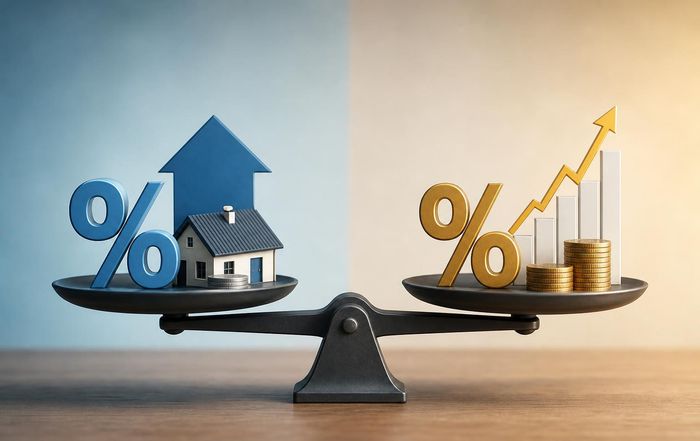
The most defining macro-financial development of the mid-2020s is the transition from an era of ultra-low interest rates to a structurally higher and more differentiated rate environment. Following the inflationary surge of the early 2020s, central banks including the U.S. Federal Reserve, the European Central Bank (ECB), the Bank of England, and the Bank of Canada have gradually shifted from aggressive tightening to a more cautious, data-dependent stance. Yet, as analyses from institutions such as the Bank for International Settlements and the International Monetary Fund emphasize, the likelihood of a return to the near-zero rate regime that prevailed after the global financial crisis appears remote.

For businesses in North America, Europe, and Asia, this new rate reality has far-reaching implications. Corporate treasurers are reassessing optimal capital structures as the cost of debt remains meaningfully higher than in the previous decade, prompting a renewed focus on free cash flow generation and disciplined capital expenditure. Companies that previously relied on cheap leverage to finance acquisitions or share buybacks are now under pressure from investors to demonstrate that every dollar of borrowing creates tangible economic value. Readers seeking deeper analysis of these shifts in corporate funding dynamics can explore dedicated coverage in the finance section of Financialdailys.com, where the interplay between interest rates, credit spreads, and corporate balance sheets is examined through a global lens.

The divergence in monetary policy paths between major economies is also reshaping currency markets and cross-border investment flows. While the Federal Reserve has maintained a relatively restrictive stance to ensure that inflation expectations remain anchored, central banks in Japan and parts of Europe have been more cautious, reflecting different growth and demographic profiles. This divergence influences hedging strategies for multinational corporations and institutional investors, who must now weigh not only interest rate differentials but also geopolitical and regulatory considerations. Resources such as the Bank of England's monetary policy reports provide useful context for understanding how these decisions are transmitted through the global financial system.

Inflation, Supply Chains, and the Repricing of Risk

Although headline inflation has moderated from its post-pandemic peaks in many advanced economies, underlying price pressures remain uneven, particularly in sectors exposed to energy, food, and labor constraints. The experience of the early 2020s has fundamentally altered how executives, investors, and policymakers assess inflation risk. As highlighted by the Organisation for Economic Co-operation and Development, structural factors such as aging populations in Europe and East Asia, the energy transition, and geopolitical fragmentation are likely to keep certain cost drivers elevated even as technology exerts a deflationary influence in other areas.

For global businesses, this has led to a repricing of supply-chain risk and a reconfiguration of production networks. The push toward near-shoring and friend-shoring, particularly by companies in the United States, Germany, and Japan, reflects a desire to reduce exposure to single-country dependencies and logistics bottlenecks. Manufacturers are increasingly diversifying production between China, Southeast Asia, Eastern Europe, and Mexico, balancing cost efficiency with resilience. These shifts directly impact trade finance, working capital needs, and foreign direct investment decisions, all of which are closely tracked in the trade coverage on Financialdailys.com, where readers can observe how policy changes translate into corporate strategy.

From an investing standpoint, inflation uncertainty has revived interest in real assets, inflation-linked securities, and sectors with strong pricing power, such as infrastructure, utilities, and certain segments of technology and healthcare. Analysts and portfolio managers now devote more attention to companies' ability to pass on cost increases without eroding demand, a capability that is particularly relevant in consumer-facing industries. To understand how inflation trends intersect with consumer behavior and corporate pricing strategies, readers can follow developments in the consumer segment of Financialdailys.com, where shifts in spending patterns across regions such as the United States, the United Kingdom, and Asia are regularly dissected.

Capital Markets, Liquidity, and the New Equity-Debt Balance

Global capital markets have adapted quickly to the changed rate and inflation environment, but the underlying structure of liquidity provision and risk transfer continues to evolve. Equity markets in the United States, Europe, and Asia have been supported by robust earnings in sectors tied to digitalization, automation, and energy transition, yet valuations are more sensitive to macroeconomic data and policy guidance than in the previous decade. At the same time, credit markets have seen a resurgence of investor interest in high-quality corporate bonds and structured products, reflecting the more attractive yield environment.

The balance between public and private markets is another crucial trend shaping business decisions. Private equity and private credit funds, which expanded rapidly during the era of cheap money, now face higher funding costs and more demanding limited partners. According to research highlighted by the World Economic Forum, institutional investors are reassessing their allocations between listed equities, private assets, and alternative strategies, with a growing emphasis on liquidity, transparency, and governance. This reassessment is particularly evident in pension funds and sovereign wealth funds in regions such as Scandinavia, the Middle East, and Asia-Pacific, where long-term liabilities must be matched with assets that can withstand multiple economic cycles.

For corporate issuers, the choice between public equity, corporate debt, and private capital has become more nuanced. Businesses in sectors such as technology, renewable energy, and healthcare often still find favorable terms in equity markets, especially when they can demonstrate clear growth trajectories and defensible intellectual property. In contrast, companies in more cyclical industries are often turning to private credit providers for bespoke financing solutions that banks are less willing to extend under tighter regulatory constraints. Readers interested in how these dynamics affect stock selection, portfolio construction, and market timing can consult the markets and stocks sections of Financialdailys.com, where regional trends from North America to Asia are analyzed in depth.

Banking Transformation, Digital Finance, and Regulatory Pressure

The global banking sector has emerged from the turbulence of the early 2020s with stronger capital buffers but a more complex operating environment. Regulatory reforms inspired by the experiences of regional banking stresses in the United States and Europe have led to heightened scrutiny of liquidity management, interest rate risk, and concentration exposures. Supervisory bodies such as the European Banking Authority and the Office of the Comptroller of the Currency in the United States have emphasized the importance of robust stress testing and contingency planning, particularly for mid-sized institutions that play a critical role in local economies.

At the same time, the competitive landscape in banking continues to be reshaped by digital challengers, fintech platforms, and large technology companies that are expanding their presence in payments, lending, and wealth management. Open banking regulations in the United Kingdom, the European Union, and markets such as Australia and Singapore have enabled greater data portability, allowing consumers and businesses to access a wider range of financial services with less friction. Reports from the Bank for International Settlements and the Monetary Authority of Singapore underscore how these developments are accelerating innovation while also raising new questions about cybersecurity, data privacy, and systemic risk.

For corporate finance leaders, this environment offers both opportunities and challenges. On one hand, digital platforms can provide more efficient cash management, cross-border payments, and trade finance solutions, lowering transaction costs and improving visibility over global operations. On the other hand, the fragmentation of financial services across multiple providers requires more sophisticated treasury management and vendor risk assessment. The banking coverage on Financialdailys.com explores how banks in regions from North America and Europe to Asia and Africa are repositioning themselves, either by investing heavily in digital capabilities or by focusing on specialized, high-value segments such as corporate advisory and complex financing.

The Maturation of Sustainable Finance and ESG Integration

Sustainable finance has moved from the periphery to the mainstream of global capital markets, yet the narrative in 2026 is less about rapid growth and more about consolidation, standardization, and measurable impact. Investors, regulators, and civil society organizations have become more demanding in their expectations of environmental, social, and governance (ESG) disclosures, insisting that companies provide credible, comparable, and decision-useful information rather than aspirational statements. Frameworks developed by bodies such as the International Sustainability Standards Board (ISSB) and initiatives coordinated by the Task Force on Climate-related Financial Disclosures are increasingly embedded in regulatory regimes across jurisdictions including the European Union, the United Kingdom, and parts of Asia-Pacific.

Financial institutions and corporations alike are under pressure to demonstrate how their strategies align with climate goals and broader sustainability objectives. Green bonds, sustainability-linked loans, and transition finance instruments have proliferated, but investors are scrutinizing the integrity of these products more closely, wary of greenwashing. Organizations such as the United Nations Principles for Responsible Investment and the Climate Bonds Initiative provide guidance on best practices and certification standards, helping market participants navigate an expanding but complex landscape.

For readers of Financialdailys.com, the critical question is how sustainable finance trends influence real capital allocation and corporate decision-making. Companies in carbon-intensive sectors across Europe, North America, and emerging markets must not only manage regulatory risk but also secure financing for transition projects that can maintain competitiveness in a decarbonizing world. Meanwhile, investors are integrating ESG metrics into their valuation models and stewardship activities, recognizing that sustainability performance can be a leading indicator of operational resilience and reputational strength. Those seeking to explore the intersection of finance and sustainability can turn to the dedicated sustainability section of Financialdailys.com, where case studies and regional analyses illuminate how ESG considerations are reshaping portfolios and corporate strategies.

Technology, AI, and the Financial Data Advantage

Technological innovation, particularly in artificial intelligence and data analytics, has become a decisive factor in financial competitiveness. In 2026, banks, asset managers, insurers, and corporates increasingly view AI not as a peripheral tool but as a core capability that influences everything from credit underwriting and risk management to trading strategies and customer engagement. Leading technology companies such as Microsoft, Alphabet, and NVIDIA have invested heavily in cloud infrastructure and specialized hardware that enables sophisticated machine learning applications, while regulators and industry bodies monitor the implications for market integrity and consumer protection.

Research from organizations such as the MIT Sloan School of Management and the Stanford Institute for Human-Centered Artificial Intelligence highlights both the promise and the pitfalls of AI in finance. On one hand, advanced analytics can improve fraud detection, optimize portfolio construction, and enhance scenario analysis, thereby strengthening financial stability and profitability. On the other hand, opaque algorithms, data biases, and model risk raise concerns about fairness, accountability, and the potential for new forms of systemic vulnerability. These issues are particularly salient in jurisdictions such as the European Union, where the EU AI Act introduces stringent requirements for high-risk AI systems, including those deployed in credit scoring and insurance underwriting.

For business leaders and investors, the strategic imperative is to build robust data governance frameworks and ensure that AI applications are aligned with regulatory expectations and ethical standards. Competitive advantage increasingly depends on the ability to integrate diverse data sources, from traditional financial statements to alternative datasets such as satellite imagery, supply-chain information, and real-time consumer behavior indicators. Readers interested in how technology trends intersect with finance, investing, and corporate strategy can explore the tech section of Financialdailys.com, which tracks developments from Silicon Valley and Wall Street to London, Frankfurt, Singapore, and beyond.

Private Wealth, Retirement, and the Individual Investor's Dilemma

Beyond corporate boardrooms and institutional investment committees, global finance trends are reshaping the financial lives of individuals in both advanced and emerging economies. Aging populations in countries such as Japan, Germany, Italy, and South Korea are placing pressure on public pension systems and increasing the importance of private savings and investment. At the same time, younger cohorts in the United States, the United Kingdom, Canada, and Australia face housing affordability challenges, student debt burdens, and a more uncertain labor market, which complicate long-term financial planning.

Regulators and policymakers, including bodies such as the U.S. Securities and Exchange Commission and the European Securities and Markets Authority, have responded with initiatives aimed at improving investor protection, enhancing disclosure around investment products, and promoting financial literacy. The expansion of low-cost index funds and exchange-traded funds, pioneered by firms such as Vanguard and BlackRock, has given retail investors in markets from North America and Europe to Asia and Latin America more accessible tools for diversification. However, the proliferation of complex structured products, leveraged instruments, and speculative assets still poses risks for individuals who may not fully understand their exposures.

For the audience of Financialdailys.com, which includes sophisticated retail investors and professionals managing family wealth, the central challenge is to construct portfolios that balance growth, income, and capital preservation in an environment of higher rates, uncertain inflation, and rapid technological change. This requires not only knowledge of asset classes and market cycles but also an appreciation of behavioral biases and the importance of disciplined, long-term strategies. The investing section of Financialdailys.com offers insights into how investors across regions such as North America, Europe, and Asia are adapting their approaches, from strategic asset allocation to thematic investing in areas such as clean energy, digital infrastructure, and healthcare innovation.

Real Assets, Property Markets, and the Geography of Capital

Real estate and other real assets occupy a central place in global finance, influencing household wealth, corporate balance sheets, and the stability of banking systems. In 2026, property markets in many advanced economies are undergoing a complex adjustment as higher interest rates, evolving work patterns, and demographic shifts reshape demand. Commercial real estate in major financial centers such as New York, London, Frankfurt, and Hong Kong faces particular scrutiny, with office valuations under pressure due to hybrid work models and changing tenant preferences. Reports from institutions like the Royal Institution of Chartered Surveyors and the Urban Land Institute provide detailed assessments of these trends.

Residential property markets show greater divergence across regions. Countries such as Canada, Australia, and New Zealand, which experienced significant price surges in the early 2020s, are navigating a rebalancing phase influenced by tighter mortgage conditions and regulatory interventions. In contrast, parts of Southern Europe and Southeast Asia continue to attract international capital seeking lifestyle, diversification, and potential long-term appreciation. These dynamics have direct implications for banks' mortgage portfolios, construction activity, and consumer spending, making real estate a critical lens for understanding broader economic health. Readers can follow in-depth coverage of these developments in the property section of Financialdailys.com, where regional nuances and policy responses are examined.

Beyond property, infrastructure assets such as transportation networks, digital connectivity, and renewable energy projects are increasingly central to institutional investment strategies. Governments in regions including North America, Europe, and Asia are leveraging public-private partnerships and targeted incentives to attract capital into projects that support economic competitiveness and climate objectives. Organizations such as the World Bank and the OECD provide extensive analysis on infrastructure financing models and the role of multilateral institutions, offering valuable context for investors evaluating long-duration, inflation-linked cash flow opportunities.

Startups, Venture Capital, and the Global Innovation Ecosystem

The global startup ecosystem has entered a more selective and disciplined phase compared with the exuberance that characterized the late 2010s and early 2020s. Venture capital funding volumes have moderated, and investors in the United States, Europe, and Asia are placing greater emphasis on unit economics, path to profitability, and governance. This shift reflects both the higher cost of capital and the lessons learned from previous cycles, where aggressive growth strategies sometimes masked fundamental weaknesses. Reports from data providers and research organizations such as CB Insights and Crunchbase illustrate how funding patterns have evolved across sectors and regions.

Nevertheless, innovation remains robust in areas such as artificial intelligence, climate technology, biotechnology, and advanced manufacturing. Startups in hubs like Silicon Valley, London, Berlin, Singapore, and Seoul continue to attract global capital, while emerging ecosystems in cities such as São Paulo, Nairobi, and Bangkok are gaining prominence. Corporate venture arms and strategic partnerships between established companies and startups are becoming more common, enabling incumbents to access new technologies and business models while providing entrepreneurs with distribution channels and industry expertise.

For business leaders and investors following Financialdailys.com, understanding the dynamics of the startup landscape is essential not only for direct venture investments but also for anticipating competitive disruptions and partnership opportunities. The startups coverage on Financialdailys.com highlights how regulatory frameworks, capital availability, and talent mobility interact to shape innovation outcomes, offering insights that are relevant for corporates, financiers, and policymakers alike.

Labor Markets, Careers, and the Human Capital Dimension of Finance

No analysis of global finance trends would be complete without considering the labor markets and human capital that underpin economic performance. In 2026, tight labor conditions in sectors such as technology, healthcare, and advanced manufacturing coexist with structural unemployment risks in industries facing automation and decarbonization pressures. Countries such as the United States, Germany, and Singapore are investing heavily in reskilling and upskilling initiatives, recognizing that productivity growth and competitiveness depend on a workforce capable of adapting to technological change.

Organizations like the International Labour Organization and the World Bank emphasize that inclusive growth requires not only investment in digital skills but also attention to social protection systems, labor mobility, and education reform. For financial institutions and corporates, talent strategy has become a board-level priority, influencing decisions on office locations, remote work policies, and compensation structures. The competition for specialized skills in areas such as data science, cybersecurity, and sustainable finance is particularly intense, affecting both developed and emerging markets.

Readers of Financialdailys.com who are navigating their own career decisions or managing teams in finance, technology, and related fields can find targeted insights in the careers section, where trends in hiring, skills demand, and workplace transformation are explored. Ultimately, the capacity of organizations to interpret and act on global finance trends depends on their ability to attract, develop, and retain talent that combines technical expertise with strategic and ethical judgment.

Navigating Financial Complexity: A Great Agenda to Unpack

The global finance trends shaping business decisions are interconnected and mutually reinforcing. Higher and more differentiated interest rates, persistent though uneven inflation, evolving capital markets, digital transformation, sustainable finance, demographic shifts, and geopolitical realignments all contribute to a landscape in which traditional playbooks are insufficient. For senior executives, investors, and policymakers across regions from North America and Europe to Asia, Africa, and Latin America, the imperative is to develop a holistic perspective that integrates macroeconomic analysis, sector-specific insights, and an understanding of regulatory and technological change.

For the professional audience of Financialdailys, this means approaching finance not as a series of isolated topics-banking, markets, property, or trade-but as a connected system in which decisions in one domain reverberate across others. The platform's coverage of business, economy, world developments, and core financial markets is designed to support this integrated view, offering readers a consistent, trusted source of analysis at a time when noise and information overload are significant risks.

As global finance continues to evolve, organizations and individuals that combine rigorous data-driven analysis with a clear sense of purpose and responsibility will be best positioned to thrive. Experience, expertise, authoritativeness, and trustworthiness are no longer optional attributes; they are essential qualities for any actor seeking to make consequential decisions in a world where capital, technology, and policy are in constant motion. In this environment, informed, critical engagement with the kind of in-depth reporting and analysis provided by Financialdailys.com will remain an indispensable asset for decision-makers navigating the complexities of global finance.

How Markets React to Shifting Economic Confidence

Last updated by Editorial team for example.com on Thursday 11 June 2026
Article Image for How Markets React to Shifting Economic Confidence

How Markets React to Shifting Economic Confidence in 2026

The Central Role of Confidence in Modern Markets

In 2026, investors, executives and policymakers increasingly recognize that markets do not merely respond to hard data such as GDP, inflation or employment; they also respond, sometimes more dramatically, to shifts in economic confidence. Confidence operates as an invisible but powerful transmission mechanism between expectations and outcomes, influencing asset prices, capital allocation, hiring decisions and consumer spending across the world's major economies. For readers of FinancialDailys.com, whose interests span finance, markets, investing and the global economy, understanding how sentiment and confidence shape market behavior has become a prerequisite for navigating an environment defined by rapid information flows, geopolitical uncertainty and technological disruption.

Economic confidence is typically captured through indicators such as business and consumer surveys, purchasing managers' indices and investor sentiment indices published by institutions including the OECD, Conference Board, European Commission and others. These measures, while imperfect, provide a window into how households and companies perceive the economic outlook, and they often move ahead of official data such as industrial production or retail sales. As a result, markets routinely react to changes in confidence before those changes are visible in fundamental economic statistics, which is why professional investors monitor sentiment reports as closely as they track interest rate decisions or earnings releases.

Sentiment as a Leading Indicator of Market Turning Points

Historical experience across the United States, Europe and Asia suggests that turning points in confidence frequently precede turning points in equity markets, credit spreads and currency trends. When consumer confidence indices compiled by organizations like the Conference Board in the US or the GfK Consumer Climate in Germany deteriorate sharply, equity markets often begin to price in weaker corporate earnings and slower revenue growth, even if current quarterly results remain robust. Conversely, a sustained improvement in business surveys such as the S&P Global and ISM purchasing managers' indices tends to support risk assets by signaling stronger order books, investment intentions and hiring plans.

Investors increasingly combine sentiment data with traditional valuation and macroeconomic analysis to identify inflection points. For example, when valuations in major indices tracked by the MSCI or FTSE Russell families appear attractive but confidence remains depressed, contrarian investors sometimes view this as an opportunity, assuming that a modest improvement in sentiment could trigger a powerful re-rating. Learn more about how professional investors integrate macro indicators into portfolio construction on the investing section of FinancialDailys.com. Similarly, when confidence readings reach exuberant extremes, sophisticated asset managers may become more cautious, recognizing the risk that expectations have outpaced realistic economic prospects.

Equity Markets: Pricing the Psychology of Growth and Risk

Equity markets in the United States, United Kingdom, Germany, Japan and other advanced economies have long been sensitive to shifts in economic confidence because corporate earnings ultimately depend on consumer demand, business investment and global trade flows. When confidence strengthens, companies in cyclical sectors such as industrials, consumer discretionary, financials and technology often see their share prices rise as investors anticipate higher sales volumes and improved margins. The broad indices followed on platforms like Bloomberg and Reuters frequently capture this rotation, with economically sensitive stocks outperforming defensive sectors such as utilities or consumer staples.

Conversely, when surveys from institutions such as the University of Michigan or the European Commission signal weakening consumer or business sentiment, markets often rotate toward defensive sectors and high-quality dividend payers, reflecting a flight to perceived safety. In such environments, investors scrutinize stocks with resilient cash flows, strong balance sheets and limited cyclicality, particularly in markets like the US, UK, Switzerland and Japan, where defensive franchises are well represented. The dynamic is not purely domestic; global confidence shocks, such as those sparked by geopolitical crises or abrupt policy changes in major economies like China or the United States, can trigger synchronized risk-off moves across Asia, Europe and North America, as cross-border portfolios rebalance away from high-beta assets.

Fixed Income and Credit: Confidence, Rates and Spreads

Shifting economic confidence also plays a crucial role in sovereign bond yields and corporate credit spreads. When confidence weakens and investors anticipate slower growth or potential recession, government bond markets in the United States, Germany, the United Kingdom and other core economies typically rally, driving yields lower as capital seeks safety. Central banks such as the Federal Reserve, European Central Bank and Bank of England pay close attention to confidence indicators because they can influence expectations around future interest rate paths, which are visible in futures markets and yield curves monitored by the Bank for International Settlements and other global institutions.

Corporate credit markets respond in a more nuanced fashion. In periods of rising confidence, investors are generally more willing to take credit risk, leading to tighter spreads for investment-grade and high-yield bonds across the US, European and Asian markets. This environment supports corporate financing, M&A activity and leveraged buyouts, particularly in sectors like technology, healthcare and consumer services. When confidence deteriorates, however, spreads widen as investors demand higher compensation for default risk, and lower-rated issuers in regions such as Southern Europe, Latin America or emerging Asia may find market access constrained. Readers of FinancialDailys.com who follow banking and corporate funding trends recognize that these shifts in credit conditions can have significant implications for banks' balance sheets, loan growth and profitability.

Currencies and Commodities: Global Confidence and Risk Sentiment

Foreign exchange markets often act as a barometer of relative confidence between economies and regions. When confidence in the US economic outlook strengthens relative to Europe or Japan, the US dollar tends to appreciate against the euro and yen, reflecting expectations of faster growth, higher interest rates and stronger capital inflows. Similar dynamics occur between other currency pairs, such as sterling, the Canadian dollar, the Australian dollar and key Asian currencies, as investors adjust their exposure based on perceived economic resilience and policy credibility. The International Monetary Fund and Bank for International Settlements provide extensive analysis on how confidence and capital flows interact in the global monetary system.

Commodities, particularly oil, industrial metals and agricultural products, are also influenced by economic confidence because they are closely tied to expectations for global industrial activity and consumption. When surveys and leading indicators suggest robust growth in China, the United States and Europe, prices for commodities tracked by indices such as the S&P GSCI often rise, benefiting exporters in countries like Australia, Brazil, Canada and South Africa. Conversely, a deterioration in confidence can depress commodity prices, weighing on the terms of trade and fiscal positions of resource-dependent economies. Investors who follow world markets via FinancialDailys.com increasingly monitor both sentiment data and physical demand indicators to understand how shifts in confidence might affect commodity-linked equities, bonds and currencies.

The Feedback Loop: From Markets Back to the Real Economy

One of the most important insights for business leaders and policymakers is that the relationship between markets and economic confidence is bidirectional. While sentiment influences asset prices, market movements also feed back into confidence, creating self-reinforcing cycles. Sharp equity market declines or widening credit spreads, even when not triggered by fundamental shocks, can erode household and corporate confidence, leading to reduced spending, postponed investment and more cautious hiring. This dynamic has been documented by central banks such as the Federal Reserve and Bank of England, which study how financial conditions indices translate into real economic outcomes.

Conversely, strong market performance can bolster confidence and support economic activity through wealth effects and improved financing conditions. Rising equity valuations in the United States, United Kingdom, Germany and other major markets can increase household net worth, encouraging higher discretionary spending on durable goods, travel and services. At the same time, buoyant credit markets lower borrowing costs for companies and governments, facilitating infrastructure investment, corporate expansion and innovation. For readers focused on business strategy at FinancialDailys.com, recognizing this feedback loop is essential when assessing how market volatility may alter customer behavior, funding plans or competitive dynamics across regions from North America and Europe to Asia-Pacific and emerging markets.

Regional Perspectives: Confidence Across Major Economies

Although the mechanisms linking confidence and markets are broadly similar, regional differences in economic structure, policy frameworks and financial systems mean that the impact of sentiment shifts can vary significantly across countries. In the United States, with its deep capital markets and high household equity ownership, changes in confidence often have an outsized effect on stock prices and consumer behavior, making US markets particularly sensitive to surveys and forward-looking indicators. Learn more about how US macro trends feed through to markets and sectors in the economy coverage on FinancialDailys.com.

In the euro area and the United Kingdom, where bank-based financing remains relatively more important, business confidence plays a critical role in driving credit demand, investment and hiring. When confidence among European corporates weakens, loan growth tends to slow, pressuring bank profitability and weighing on property markets in major cities from Berlin and Paris to Madrid and Amsterdam. In Asia, confidence dynamics often intersect with export performance and technology cycles, particularly in economies such as South Korea, Japan, Singapore and China, where global demand for electronics, machinery and industrial components heavily influences corporate earnings and labor markets. Emerging markets in regions like Latin America, Africa and Southeast Asia can be especially vulnerable to swings in global confidence, as risk-on or risk-off episodes in international markets can trigger large capital flows, affecting exchange rates, bond yields and domestic financial conditions.

Sectoral Effects: From Property to Startups and Tech

Different sectors respond in distinct ways to shifts in economic confidence, and this sectoral nuance is increasingly important for readers of FinancialDailys.com who track property, startups and tech across regions. Real estate markets in cities such as New York, London, Sydney, Toronto, Berlin and Singapore are highly sensitive to both domestic confidence and global risk appetite, given the internationalization of property investment. When confidence is strong and interest rates are stable, investors often allocate more capital to commercial and residential property, driving up valuations and supporting construction activity. However, when sentiment turns, property markets can experience sharp slowdowns, particularly in segments exposed to cyclical demand such as office, retail and high-end residential.

Startups and technology companies face their own confidence cycles, closely tied to venture capital funding, IPO windows and expectations around innovation-driven growth. In periods of optimism, investors are more willing to fund early-stage ventures and high-growth tech firms in hubs from Silicon Valley and London to Berlin, Stockholm, Singapore and Tel Aviv, often at elevated valuations. When confidence wanes, fundraising conditions tighten, exit opportunities diminish and investors become more selective, prioritizing profitability and cash flow over pure growth narratives. Insights from organizations like CB Insights and PitchBook highlight how global venture capital flows have become increasingly correlated with broader risk sentiment, reinforcing the importance for entrepreneurs and investors of monitoring macro confidence trends alongside sector-specific developments.

Policy Communication, Media and the Confidence Channel

In the digital information era, economic confidence is shaped not only by underlying fundamentals but also by policy communication and media narratives. Central banks and finance ministries in the United States, United Kingdom, euro area, Japan and other major economies have learned that their statements can significantly influence market expectations and sentiment, sometimes more than the policy actions themselves. Transparent, consistent and data-driven communication from institutions such as the Federal Reserve, European Central Bank and Bank of Japan is therefore critical in anchoring confidence and reducing the likelihood of destabilizing market reactions.

Media platforms and financial news providers, including specialized outlets and broad-based organizations like the Financial Times, The Wall Street Journal and BBC, play a central role in interpreting economic data, policy announcements and corporate developments for global audiences. For FinancialDailys.com, the responsibility is twofold: to deliver timely, accurate and contextual reporting that helps readers understand the interplay between confidence and markets, and to avoid amplifying short-term noise at the expense of long-term perspective. Learn more about how high-quality financial journalism supports informed decision-making for investors, executives and policymakers by exploring the broader coverage on FinancialDailys.com.

Confidence, Sustainability and Long-Term Investment Horizons

Beyond short-term market fluctuations, economic confidence also influences the trajectory of long-term investment in areas such as sustainability, infrastructure and innovation. When confidence in the stability of policy frameworks and regulatory regimes is high, investors are more willing to commit capital to long-duration projects, including renewable energy, green buildings and low-carbon technologies. International organizations such as the World Bank, International Energy Agency and United Nations emphasize the importance of predictable policy environments and credible climate commitments in sustaining investor confidence in the transition to a low-carbon economy. Learn more about sustainable business practices and their financial implications in the sustainability section of FinancialDailys.com.

Conversely, policy uncertainty or abrupt regulatory shifts can undermine confidence and deter investment, even when underlying economic fundamentals remain sound. This is particularly relevant for countries and regions that rely on foreign direct investment, including parts of Europe, Asia, Africa and Latin America, where investor perceptions of governance quality, rule of law and policy consistency significantly influence capital flows. For institutional investors with long-term mandates, such as pension funds and sovereign wealth funds, confidence in macroeconomic stability and institutional strength is essential when making multi-decade allocations to infrastructure, property, private equity and public markets around the world.

Building Resilience: How Investors and Businesses Can Respond

For investors and business leaders who rely on FinancialDailys.com to navigate complex global conditions, the central challenge is not to eliminate the influence of confidence on markets-an impossible task-but to build resilience against its more destabilizing effects. One approach is to integrate sentiment analysis and scenario planning into investment and corporate decision-making, recognizing that shifts in confidence can create both risks and opportunities. Professional investors increasingly use a combination of quantitative sentiment indicators, options market data and macro surveys to assess whether markets are pricing in excessive optimism or pessimism, and then adjust portfolio exposures accordingly.

Businesses, meanwhile, can enhance resilience by maintaining prudent balance sheets, diversifying funding sources and developing flexible operating models that can adapt to changes in demand and financing conditions. For companies operating internationally, understanding how confidence varies across regions-from the United States and Canada to Europe, Asia-Pacific, Africa and Latin America-can inform market entry strategies, capital expenditure plans and risk management frameworks. Readers interested in how these themes intersect with individual career paths and labor markets can explore the careers coverage on FinancialDailys.com, which examines how economic confidence influences hiring trends, skills demand and wage dynamics across sectors.

The Outlook for 2026 and Beyond

As of 2026, the global economy continues to grapple with structural shifts including demographic change, digital transformation, climate transition and evolving geopolitical alignments. These forces contribute to a backdrop of heightened uncertainty, which in turn amplifies the role of confidence in shaping market outcomes. Yet they also create new opportunities for investors and businesses that can interpret sentiment signals effectively and distinguish between short-term volatility and long-term value. Institutions such as the OECD, IMF and World Economic Forum regularly highlight the need for robust economic governance, transparent communication and resilient financial systems to support confidence in this environment.

For the global audience of FinancialDailys.com, spanning advanced and emerging economies across North America, Europe, Asia-Pacific, Africa and South America, the key lesson is that markets react not only to what is happening, but to what participants believe will happen next. Economic confidence acts as the bridge between data and expectations, between policy and behavior, and between short-term market moves and long-term investment decisions. By combining rigorous analysis of fundamentals with a disciplined understanding of sentiment, investors, executives and policymakers can better navigate the cycles of confidence that will continue to shape financial markets and the real economy in the years ahead.

Smart Investing Strategies for Uncertain Markets

Last updated by Editorial team for example.com on Thursday 11 June 2026
Article Image for Smart Investing Strategies for Uncertain Markets

Smart Investing Strategies for Uncertain Markets in 2026

A New Era of Market Uncertainty

By mid-2026, investors across global markets are operating in a landscape defined by overlapping uncertainties: persistent inflationary pressures in key economies, divergent monetary policies among major central banks, rapid technological disruption, heightened geopolitical tensions, and an accelerating transition toward decarbonization. For readers of FinancialDailys.com, this environment demands a more deliberate, evidence-based approach to portfolio construction, risk management, and strategic asset allocation, drawing on experience, expertise, authoritativeness, and trustworthiness rather than short-term speculation or reactive decision-making.

The macroeconomic backdrop in the United States, United Kingdom, and Eurozone has been shaped by the long tail of the pandemic era, supply chain realignments, and a structural shift toward higher nominal interest rates relative to the ultra-low regime of the 2010s. Institutions such as the Federal Reserve and the European Central Bank have signaled that policy will remain data-dependent, leaving investors to interpret a constantly evolving stream of economic indicators. Those seeking to understand the policy context more deeply increasingly turn to sources like the Bank for International Settlements and the International Monetary Fund, which provide broader insight into global financial stability, debt dynamics, and cross-border capital flows that affect portfolios in North America, Europe, and Asia alike.

In this environment, the traditional assumption that markets will quickly revert to a stable equilibrium has been challenged. Instead, a more realistic framework for readers of FinancialDailys.com recognizes that uncertainty is not an anomaly but a permanent feature of modern markets. Smart investing therefore begins with accepting volatility as a structural condition and then building strategies that can adapt to it without sacrificing long-term objectives.

Reframing Risk: From Volatility to Resilience

The first step in developing smart investing strategies for uncertain markets is reframing how risk is understood. Historically, many investors equated risk with price volatility, using metrics such as standard deviation or beta as primary guides. However, the experience of the past decade, including the pandemic shock, energy price spikes, and rapid interest rate cycles, has demonstrated that volatility alone is an incomplete measure of the threats facing portfolios.

A more resilient approach considers multiple dimensions of risk: market, credit, liquidity, inflation, currency, and increasingly, geopolitical and climate-related risks. Professional asset managers and institutional investors, guided by frameworks developed by organizations such as the CFA Institute, have moved toward integrated risk management that evaluates how different shocks might propagate across asset classes and regions. For individuals and family offices, this same logic can be scaled appropriately, combining traditional portfolio analytics with scenario analysis and stress testing to understand how portfolios might behave under adverse conditions.

Readers exploring risk-aware approaches on FinancialDailys.com will find that the most robust strategies do not attempt to eliminate volatility but to ensure that portfolios can withstand drawdowns without forcing distressed selling. This is where adequate liquidity reserves, diversification across asset classes and geographies, and a clear hierarchy of investment time horizons become critical. Long-term investors in equities, for example, can tolerate short-term price swings if their allocation is supported by a stable base of cash or short-duration bonds, while those with shorter time frames must calibrate risk more tightly through more conservative allocations and explicit downside protection.

Strategic Asset Allocation in a Higher-Rate World

The normalization of interest rates since the early 2020s has reshaped the risk-return profile of both bonds and equities. For much of the previous decade, ultra-low yields limited the income potential of fixed income, pushing many investors further out on the risk curve into equities, high yield credit, and alternative assets. By 2026, government bonds in the United States, United Kingdom, Germany, and other developed markets once again offer yields that can contribute meaningfully to total return and portfolio stability.

Smart investors now revisit their strategic asset allocation with fresh assumptions. Resources such as the OECD and World Bank provide macroeconomic data and forecasts that help frame expectations for growth, inflation, and interest rates across major economies, supporting more informed decisions about regional and sector exposures. Within this context, a balanced allocation between equities and fixed income can be recalibrated to reflect both the investor's risk tolerance and the new opportunity set in quality bonds, inflation-linked securities, and investment-grade credit.

Readers seeking deeper coverage of portfolio construction and cross-asset relationships can explore the dedicated finance and investing sections of FinancialDailys.com, where the interplay between bond yields, equity valuations, and currency trends is examined in detail. The core principle remains that strategic asset allocation, grounded in realistic forward-looking assumptions, explains the majority of long-term portfolio outcomes, while tactical moves should be modest and disciplined rather than driven by headlines or short-term sentiment.

Equities: Quality, Cash Flow, and Global Diversification

Equity markets in 2026 are characterized by a pronounced dispersion of performance across sectors and regions. While large-capitalization technology and healthcare names in the United States and parts of Asia continue to command premium valuations, value-oriented sectors such as financials, industrials, and energy have experienced cycles of re-rating as interest rates, commodity prices, and regulatory landscapes evolve. In Europe, including Germany, France, and the Netherlands, structural reforms and industrial policy have influenced the prospects for manufacturing, green technology, and digital infrastructure, while in Asia, markets such as Japan, South Korea, and Singapore have benefited from supply chain diversification and innovation in semiconductors, robotics, and logistics.

For investors navigating this environment, the emphasis has shifted decisively toward quality, with an increased focus on balance sheet strength, consistent free cash flow generation, pricing power, and sustainable competitive advantages. Research from organizations like MSCI and guidance from regulators such as the U.S. Securities and Exchange Commission underscore the importance of transparent financial reporting and robust corporate governance in protecting shareholder interests. Companies with strong capital allocation discipline and prudent leverage are better positioned to withstand economic slowdowns, policy shocks, or sector-specific disruptions.

Readers of FinancialDailys.com who follow the stocks and markets coverage will recognize that global diversification remains a cornerstone of smart equity investing. Exposure to North America, Europe, and Asia, as well as selective opportunities in emerging markets such as Brazil, Thailand, and South Africa, can help reduce dependence on any single economy or policy regime. However, diversification must be intelligent rather than mechanical, taking into account currency risk, political stability, regulatory frameworks, and sector composition in each market.

Fixed Income: From Defensive Anchor to Active Opportunity

As interest rates have risen, fixed income has reasserted its role not only as a defensive anchor but also as an active source of return. Government bonds in countries such as the United States, Canada, Australia, and Switzerland now offer yields that can help offset equity volatility, while corporate bonds provide incremental income in exchange for credit risk that must be carefully assessed. Investors can draw on resources like the Bank of England or the European Central Bank to track monetary policy signals that influence yield curves and credit spreads across developed markets.

In a higher-rate, uncertain environment, duration management becomes a central tool. Short- and intermediate-duration bonds can help limit sensitivity to further rate increases, while selective exposure to longer maturities can lock in attractive yields if inflation expectations stabilize. Credit analysis is also more critical than in the era of near-zero rates, as higher financing costs test the resilience of leveraged issuers, particularly in sectors facing structural disruption or regulatory shifts.

Within the banking and economy sections, FinancialDailys.com regularly examines how changing credit conditions, regulatory capital requirements, and financial stability considerations influence bond markets and lending activity. Smart investors use this information to differentiate between high-quality issuers with robust interest coverage and weaker credits that may be vulnerable in a downturn, particularly in cyclical industries or regions exposed to commodity price volatility.

Alternatives and Real Assets: Inflation Hedges and Diversifiers

Uncertain markets and shifting inflation dynamics have renewed interest in alternative assets and real assets as potential diversifiers. Real estate, infrastructure, commodities, and private markets can provide exposure to cash flows that are less correlated with traditional equity and bond markets, although they introduce their own liquidity and valuation challenges. For example, income-producing property in markets such as United States, United Kingdom, Germany, and Singapore may benefit from index-linked leases or structural demand drivers, while infrastructure assets related to energy transition, digital connectivity, and transportation can offer long-duration, inflation-sensitive cash flows.

Investors considering these asset classes must balance their potential benefits with the risks of illiquidity, concentration, and complexity. Guidance from organizations such as the OECD's infrastructure and long-term investment initiatives and insights from global real estate consultancies can help clarify how these assets behave across economic cycles. On FinancialDailys.com, the property and business sections analyze trends in commercial and residential markets, including the impact of hybrid work, demographic shifts, and sustainability requirements on valuations across regions from North America to Europe and Asia.

For some sophisticated investors, private equity, venture capital, and private credit offer additional return potential, particularly in innovation-driven sectors such as technology, healthcare, and clean energy. However, these strategies require longer lock-up periods, careful manager selection, and a tolerance for opaque valuations. In uncertain markets, the discipline of due diligence and diversification across vintages, sectors, and geographies becomes even more important to mitigate the risk of overpaying at cyclical peaks or concentrating exposure in narrow themes.

The Role of Technology and Data in Modern Investing

By 2026, technology has become inseparable from smart investing, not only as a sector allocation but as an enabler of better decision-making. The proliferation of data, analytics platforms, and algorithmic tools allows investors to monitor markets in real time, back-test strategies, and implement systematic approaches that would have been impractical for individuals a decade ago. At the same time, this technological progress introduces new risks related to over-reliance on models, herding behavior driven by similar signals, and vulnerabilities to cyber threats.

Regulators and standard-setting bodies, including the International Organization of Securities Commissions, have highlighted the need for robust governance over the use of artificial intelligence and machine learning in investment processes, emphasizing transparency, accountability, and appropriate human oversight. For readers of FinancialDailys.com, the tech and careers sections illustrate how data science, quantitative methods, and cybersecurity expertise are reshaping roles within asset management, banking, and financial advisory services worldwide.

Smart investors leverage technology to enhance, rather than replace, judgment. Portfolio dashboards, risk analytics, and scenario simulators can provide valuable insights into exposures, correlations, and potential drawdowns, but they must be interpreted through the lens of experience and a clear investment philosophy. In uncertain markets, the ability to distinguish between noise and signal, and to avoid reactive trading based on short-term data fluctuations, remains a defining characteristic of successful long-term investors.

Sustainable and Thematic Investing in a Volatile World

Sustainability has moved from the periphery to the mainstream of investment strategy, driven by regulatory initiatives, evolving consumer preferences, and the financial materiality of environmental and social risks. Investors increasingly recognize that climate change, biodiversity loss, social inequality, and governance failures can have direct impacts on cash flows, asset valuations, and risk premia. Organizations such as the Task Force on Climate-related Financial Disclosures and the UN Principles for Responsible Investment have provided frameworks that help integrate environmental, social, and governance (ESG) considerations into investment analysis and stewardship.

In 2026, smart investing in uncertain markets incorporates sustainability not as a marketing label but as a disciplined evaluation of long-term resilience and adaptability. Sectors such as renewable energy, energy storage, sustainable agriculture, and circular economy solutions offer growth opportunities aligned with policy trends in regions from the European Union to Asia-Pacific, while companies that lag in transition planning may face higher capital costs, regulatory penalties, or stranded assets. Readers who wish to learn more about sustainable business practices can explore the work of the UN Environment Programme and similar organizations that analyze the intersection of finance and sustainability.

On FinancialDailys.com, the sustainability and world sections examine how regulators in Europe, North America, and Asia are tightening disclosure standards, aligning taxonomies, and encouraging capital flows toward sustainable activities. For investors, this means that ESG data is becoming more standardized and decision-useful, enabling more rigorous assessment of climate risk, social impact, and governance quality across portfolios. In uncertain markets, companies with credible transition strategies, robust stakeholder engagement, and transparent reporting may offer more stable long-term prospects than peers that resist adaptation.

Behavioral Discipline: Countering Emotional Investing

Uncertainty amplifies emotional responses. Fear of loss and fear of missing out can drive investors to abandon well-considered strategies in favor of impulsive decisions, often at precisely the wrong time. Behavioral finance research, including work highlighted by the Behavioural Insights Team and academic institutions worldwide, has documented how cognitive biases such as loss aversion, recency bias, and overconfidence can erode returns over time.

For readers of FinancialDailys.com, cultivating behavioral discipline is as important as selecting the right assets. This involves defining clear investment objectives, risk tolerances, and time horizons in advance, then translating them into written policies or plans that guide decisions during periods of market stress. Regular portfolio reviews, conducted on a predetermined schedule rather than in reaction to every market move, help maintain perspective and prevent short-term volatility from derailing long-term strategies.

Education also plays a critical role. By engaging with in-depth analysis across the investing, consumer, and trade sections, readers can build the knowledge base needed to evaluate market narratives critically, distinguish between cyclical noise and structural change, and recognize when market sentiment has diverged from fundamentals. In an age of social media amplification and rapid information flows, the ability to pause, verify, and reflect before acting has become a competitive advantage in itself.

Global Perspective: Connecting Local Portfolios to World Events

In 2026, no investor can afford to view markets in isolation. Events in China, trade policy shifts in Europe, monetary decisions in the United States, or political developments in Africa and South America can ripple through asset prices worldwide. Supply chain realignments, digital trade agreements, and regional security tensions all shape the operating environment for multinational corporations and, by extension, the portfolios that hold their securities.

Institutions such as the World Trade Organization and the World Economic Forum provide valuable insight into the evolving architecture of global trade, investment flows, and technological standards. By following these developments alongside the analysis presented on FinancialDailys.com, investors can better understand how macro-level shifts in trade, regulation, and innovation may affect specific sectors, from semiconductors and electric vehicles to pharmaceuticals and financial services.

A smart investing strategy in uncertain markets therefore integrates global macro awareness with bottom-up security selection. It recognizes that while diversification across regions can mitigate idiosyncratic country risk, it also introduces exposure to currency fluctuations, regulatory divergence, and geopolitical shocks. Careful calibration of regional weights, hedging policies, and sector exposures allows investors to benefit from global opportunities while maintaining an acceptable risk profile aligned with their objectives.

Building a Personal Framework for Smart Investing

Ultimately, smart investing in uncertain markets is less about predicting the next shock and more about building a robust framework that can accommodate surprises. For the global audience of FinancialDailys.com, spanning professional investors, entrepreneurs, executives, and informed individuals across North America, Europe, Asia, Africa, and Oceania, this framework rests on several pillars: a well-defined strategic asset allocation; rigorous risk management; commitment to quality and sustainability; effective use of technology and data; behavioral discipline; and a global perspective informed by reliable, authoritative sources.

The finance, markets, startups, and business coverage on FinancialDailys.com is designed to support this framework by translating complex developments into actionable insights, whether readers are evaluating a new investment in a technology company in Japan, assessing property exposure in Canada, or considering the implications of central bank policy for bond holdings in Germany. By combining external perspectives from institutions such as the IMF, OECD, BIS, and WTO with in-house analysis focused on practical implications for portfolios, the platform aims to be a trusted partner in navigating uncertainty.

As markets continue to evolve through 2026 and beyond, the most successful investors will be those who embrace uncertainty as a constant, maintain intellectual humility, and refine their strategies in light of new evidence without abandoning core principles. Smart investing is not a static formula but an ongoing process of learning, adaptation, and disciplined execution. With the right tools, information, and mindset, uncertainty becomes not only a challenge but also a source of opportunity for those prepared to engage with it thoughtfully and systematically.

The Role of Banking in a Changing Economy

Last updated by Editorial team for example.com on Thursday 11 June 2026
Article Image for The Role of Banking in a Changing Economy

The Role of Banking in a Changing Economy

Banking at the Center of Global Transformation

In 2026, banking stands at a decisive inflection point. The sector is being reshaped simultaneously by technological disruption, geopolitical fragmentation, climate risk, demographic shifts, and evolving regulatory expectations, and in this environment, banks are no longer merely intermediaries moving deposits into loans; they are systemic orchestrators of capital, data, and trust in a world where economic structures are being rewritten in real time. For the readers of FinancialDailys.com, whose interests span finance, markets, investing, business, and the broader global economy, understanding how banking is adapting-and in many cases leading-this transformation is critical to making informed strategic, investment, and policy decisions.

From Wall Street and the City of London to Frankfurt, Singapore, and Tokyo, banks are redefining their roles in response to persistent inflationary pressures, volatile interest-rate cycles, climate-related shocks, and the rapid advance of artificial intelligence. Institutions that once relied on scale and balance-sheet strength now compete on data, speed, cyber resilience, and their capacity to serve as trusted stewards in an era of digital assets and real-time payments. The role of banking in a changing economy is therefore no longer a narrow question of credit creation; it is about how banks anchor financial stability, enable innovation, and allocate capital in ways that shape the economic trajectory of households, firms, and governments across the world.

Banking's Foundational Role in Modern Economies

Despite the rise of fintech challengers and alternative finance, the fundamental economic functions of banking remain remarkably consistent. Banks accept deposits, provide payments infrastructure, extend credit, manage risk, and act as conduits for monetary policy. Through this combination of activities, they underpin the functioning of markets and real-economy activity in ways that no other sector replicates at comparable scale.

At the most basic level, banks transform short-term liquid deposits into longer-term loans, a process known as maturity transformation, which allows businesses to invest in expansion, households to purchase homes, and governments to finance infrastructure. By aggregating savings and allocating capital, banks influence which sectors grow, which innovations are funded, and how resilient economies are to shocks. Central banks such as the Federal Reserve in the United States and the European Central Bank in the euro area rely on commercial banks to transmit monetary policy decisions into the real economy via lending rates, credit conditions, and liquidity flows. Readers seeking deeper coverage of these monetary and credit dynamics can explore dedicated analysis on finance and monetary policy at FinancialDailys.com.

In parallel, banks provide the payment rails that support domestic and cross-border commerce. The shift from cash to digital payments, accelerated during and after the COVID-19 pandemic, has only increased the centrality of banking infrastructure, even as non-bank players enter the ecosystem. Whether through card networks, instant payment systems, or cross-border settlement platforms like SWIFT, the banking sector remains the backbone of trusted value transfer, ensuring that trade, salaries, and investment flows move securely and reliably.

From Low-Rate Legacy to a New Interest-Rate Regime

The macroeconomic context in which banks operate has changed dramatically over the past decade. Following years of ultra-low and even negative interest rates in Europe and parts of Asia, the global fight against inflation from 2021 onward ushered in one of the fastest tightening cycles in modern monetary history. By 2024-2025, central banks in the United States, United Kingdom, euro area, and many advanced and emerging economies had raised benchmark rates to levels not seen since before the global financial crisis, creating a new environment that has materially altered banking economics.

For banks, higher interest rates initially provided a powerful tailwind to net interest margins, as lending rates repriced more quickly than deposit costs. However, as competition for deposits intensified, particularly in the United States and Europe, banks faced growing pressure to offer higher yields on savings and term deposits, while managing the market risk embedded in longer-duration assets on their balance sheets. Episodes such as the 2023 US regional banking turmoil underscored how quickly confidence can erode when interest-rate risk, liquidity management, and communication are misaligned, prompting regulators like the Bank for International Settlements to reinforce guidance on interest-rate risk in the banking book and liquidity coverage standards. Readers can explore further context on these market dynamics through resources such as the BIS and macroeconomic coverage on global economy trends.

In Europe, banks in Germany, France, Italy, and Spain have experienced a more gradual but still significant transition from negative-rate headwinds to positive-rate tailwinds, with profitability improving but credit risk rising in segments such as commercial real estate and leveraged lending. In the Asia-Pacific region, including Japan, South Korea, Australia, and Singapore, divergent monetary paths have complicated cross-border capital flows and currency management, requiring banks to enhance their risk models and hedging strategies. The new rate regime therefore reinforces the core role of banks as risk managers and macro stabilizers, while also testing their ability to adapt balance-sheet structures to a more volatile and less predictable environment.

Digital Transformation, Fintech, and the New Competitive Landscape

Technology is reshaping the banking sector more profoundly than at any time since the advent of electronic trading and online banking. Cloud computing, open banking, real-time data analytics, and artificial intelligence have moved from the periphery to the core of banking strategy, while fintechs and big tech firms continue to challenge incumbent models, particularly in payments, consumer finance, and small-business lending.

Regulatory frameworks such as open banking in the United Kingdom and the Revised Payment Services Directive (PSD2) in the European Union have compelled banks to share customer data securely with licensed third parties, enabling the rise of innovative budgeting apps, alternative credit scoring models, and embedded finance. Learn more about these regulatory shifts via sources such as the UK Financial Conduct Authority and European Banking Authority, which outline how data-sharing and consumer protections are evolving. For investors and executives tracking these developments, FinancialDailys.com offers in-depth coverage on fintech and digital banking innovation.

At the same time, incumbent banks are leveraging artificial intelligence to automate back-office processes, enhance fraud detection, personalize customer engagement, and refine credit models. Institutions across North America, Europe, and Asia are partnering with cloud providers and specialized fintechs to modernize legacy core systems, reduce operational costs, and accelerate time-to-market for new products. The rise of generative AI, in particular, is transforming areas such as customer service, compliance monitoring, and document analysis, although it also raises complex questions about data privacy, model bias, and regulatory oversight, which organizations like the Bank of England and Monetary Authority of Singapore are actively examining.

For banks, the competitive question is no longer whether to digitize but how to do so in a way that preserves trust, complies with evolving regulations, and differentiates their value proposition in crowded markets. The institutions that succeed will be those that integrate digital capabilities into coherent, secure, and customer-centric platforms, rather than treating technology as a series of disconnected projects.

Banking, Capital Markets, and Investment Flows

The relationship between banking and capital markets has deepened as economies have become more financialized and globalized. Banks now operate as universal providers of lending, underwriting, advisory, and trading services, connecting corporate issuers, institutional investors, and sovereign borrowers in complex cross-border ecosystems. In markets like the United States and United Kingdom, where capital markets are highly developed, banks play a pivotal role in structuring bond and equity offerings, facilitating mergers and acquisitions, and providing derivatives for hedging interest-rate, currency, and commodity risks.

Organizations such as the International Monetary Fund and World Bank have highlighted the importance of well-functioning banking and capital-market systems in supporting sustainable growth, particularly in emerging economies where infrastructure financing and private capital mobilization are critical. Readers interested in how these flows shape asset prices, volatility, and sector rotation can follow regular updates on global markets and asset classes at FinancialDailys.com.

Banks also play a crucial role in connecting retail investors to capital markets through brokerage platforms, mutual funds, and wealth management services. As more individuals in regions such as India, Brazil, South Africa, and Southeast Asia gain access to digital investment platforms, the traditional boundaries between banking, brokerage, and asset management are blurring. This convergence is reshaping fee structures, risk profiles, and client expectations, with regulators like the US Securities and Exchange Commission and European Securities and Markets Authority paying close attention to investor protection, transparency, and systemic risk.

In this interconnected environment, banks must balance their role as market-makers and liquidity providers with their responsibilities as risk managers and fiduciaries, particularly during periods of market stress when liquidity can evaporate and correlations spike across asset classes.

Financial Stability, Regulation, and Trust

The global financial crisis of 2008 and subsequent episodes of stress have left a lasting imprint on regulatory frameworks and public expectations. Banking in 2026 is conducted under substantially more stringent capital, liquidity, and resolution requirements than in previous decades, with international standards such as Basel III setting minimum thresholds for common equity, leverage, and risk-weighted assets. Supervisory authorities across North America, Europe, and Asia-Pacific have also strengthened stress testing, recovery planning, and macroprudential tools aimed at curbing excessive credit growth and systemic vulnerabilities.

Institutions like the Financial Stability Board and national regulators in the United States, United Kingdom, Germany, Canada, and Australia continuously refine these frameworks to address emerging risks, including those arising from non-bank financial intermediaries, climate change, and digital assets. Learn more about evolving global regulatory standards through the FSB and associated central bank publications, which provide detailed assessments of systemic risk and policy responses.

For banks, compliance is no longer a narrow back-office function but a strategic pillar that underpins reputation and license to operate. The rise of environmental, social, and governance (ESG) expectations has further expanded the definition of trust, with stakeholders demanding transparency not only on financial soundness but also on ethical conduct, data privacy, diversity, and environmental impact. The reputational damage and financial penalties associated with misconduct, money laundering, or cyber breaches can be severe, reinforcing the need for robust governance, internal controls, and culture.

Readers of FinancialDailys.com focused on regulatory risk and governance can explore dedicated coverage on banking sector developments, where supervisory trends, enforcement actions, and emerging standards are examined from a strategic and investor perspective.

Climate Risk, Sustainability, and the Green Transition

One of the most consequential shifts in the role of banking is the sector's growing responsibility in financing the transition to a low-carbon, climate-resilient economy. Banks are increasingly expected to align their portfolios with net-zero pathways, support sustainable infrastructure, and integrate climate risk into credit, market, and operational risk frameworks. Organizations such as the Network for Greening the Financial System and the Task Force on Climate-related Financial Disclosures have provided guidance on how banks should measure and disclose climate-related exposures, while global agreements like the Paris Agreement continue to influence national policies and investment flows.

In practice, this means that banks in Europe, North America, and Asia are developing taxonomies to classify sustainable activities, stress-testing loan books against climate scenarios, and scaling green financing products such as sustainability-linked loans, green bonds, and transition financing structures. Learn more about sustainable finance principles and evolving practices through sources like the OECD and UN Environment Programme Finance Initiative, which outline frameworks for aligning financial systems with climate and sustainability goals.

For readers of FinancialDailys.com, the intersection of banking and sustainability is particularly relevant to long-term investment strategies and corporate planning, and the platform's coverage of sustainability and ESG finance explores how banks are reallocating capital across sectors such as renewable energy, electric mobility, green buildings, and climate adaptation. As regulators in the European Union, United Kingdom, Canada, and Asia-Pacific tighten disclosure requirements and consider capital charges linked to climate risk, banks will increasingly influence which business models thrive and which become stranded.

Digital Currencies, Tokenization, and the Future of Money

Another dimension of change in banking is the evolution of money itself. Central banks around the world, including the People's Bank of China, European Central Bank, and Bank of Canada, are exploring or piloting central bank digital currencies (CBDCs), which could coexist with commercial bank money and reshape the architecture of payments and settlement. At the same time, private-sector initiatives in stablecoins, tokenized deposits, and distributed-ledger-based settlement platforms are challenging traditional notions of how value is stored and transferred.

Institutions such as the Bank for International Settlements Innovation Hub and the International Organization of Securities Commissions have been studying the implications of tokenization for financial stability, market integrity, and consumer protection. Learn more about these developments through their research on digital assets and tokenized securities. For banks, the rise of tokenization presents both risks and opportunities: risks in the form of potential disintermediation and regulatory uncertainty, and opportunities in the form of more efficient settlement, new revenue streams, and enhanced transparency in areas such as trade finance, collateral management, and cross-border payments.

The future role of banks in a tokenized economy will depend on their ability to integrate new technologies into regulated infrastructures, collaborate with central banks and fintechs, and maintain robust cybersecurity and anti-money-laundering controls. Readers seeking to understand how these innovations intersect with equity, bond, and derivatives markets can follow specialist reporting on stocks and capital markets at FinancialDailys.com, where the implications of digital assets for traditional portfolios are increasingly relevant.

Banking, Real Estate, and the Property Cycle

Real estate remains one of the largest and most systemically important asset classes in the global economy, and banks are at the center of its financing. From residential mortgages in the United States, United Kingdom, Germany, and Canada to commercial real estate lending in global cities such as New York, London, Berlin, Singapore, and Sydney, banking exposure to property markets is both a source of earnings and a key channel of risk transmission.

The post-pandemic shift toward hybrid work, e-commerce, and changing urbanization patterns has created structural challenges in segments such as office and retail, with rising vacancy rates and valuation pressures in many major markets. Organizations like the Bank of England and European Systemic Risk Board have warned about potential vulnerabilities linked to commercial real estate, particularly in an environment of higher interest rates and tighter financial conditions. Learn more about these assessments through their financial stability reports and analytical publications.

For readers of FinancialDailys.com, the interplay between property markets, credit availability, and macroeconomic conditions is a recurring theme, and the platform's property and real estate coverage examines how banks are adjusting underwriting standards, provisioning, and capital buffers in response to shifting demand and regulatory scrutiny. In emerging markets across Asia, Africa, and South America, banks also play a crucial role in expanding access to housing finance and supporting urban development, although they must navigate legal, infrastructural, and currency risks that differ markedly from advanced-economy contexts.

Supporting Entrepreneurship, SMEs, and the Innovation Economy

Beyond large corporates and sovereigns, banks are vital partners for small and medium-sized enterprises (SMEs), startups, and the broader innovation economy. In regions such as North America, Europe, and Asia-Pacific, SMEs account for a substantial share of employment and output, yet they often face funding constraints due to limited collateral, short credit histories, or heightened perceived risk. Banks therefore play a critical role in assessing and underwriting SME credit, providing working capital, trade finance, and advisory services that support growth and resilience.

Public institutions such as the OECD and World Bank have emphasized the importance of SME finance in promoting inclusive growth and innovation, highlighting best practices in credit guarantee schemes, blended finance, and digital credit assessment tools. Learn more about these approaches through their dedicated SME finance initiatives. For early-stage and high-growth companies, especially in technology, life sciences, and clean energy, banks increasingly collaborate with venture capital funds, development banks, and specialized lenders to offer tailored solutions that combine debt, equity, and advisory support.

Readers of FinancialDailys.com who follow the startup ecosystem and entrepreneurial finance can explore analysis on startups and innovation funding, where the evolving relationship between banks, venture capital, and public markets is examined in depth. As economies in Europe, Asia, and North America seek to boost productivity and technological leadership, the capacity of banks to support innovative firms-while managing the inherent risks-will be a key determinant of long-term competitiveness.

Banking, Households, and the Consumer Economy

At the household level, banking services shape financial security, consumption patterns, and intergenerational wealth transfer. From basic transaction accounts and credit cards to mortgages, auto loans, retirement products, and wealth management, banks influence how consumers in the United States, United Kingdom, Germany, Canada, Australia, and beyond save, borrow, and invest. The rise of digital banking and mobile apps has expanded access and convenience, but it has also raised expectations for seamless, personalized, and transparent services.

Organizations such as the OECD, World Bank, and national consumer protection agencies have stressed the importance of financial literacy, responsible lending, and fair treatment in retail banking. Learn more about sustainable consumer finance practices through their research on household debt, financial inclusion, and digital finance. For readers of FinancialDailys.com, the intersection of consumer behavior, credit conditions, and macroeconomic trends is covered extensively in consumer and personal finance analysis, which explores how inflation, wage growth, and policy changes affect household balance sheets and banking relationships.

In emerging and developing economies across Africa, Asia, and Latin America, banks, mobile network operators, and fintechs are expanding financial inclusion through digital wallets, agent banking, and microcredit, often supported by multilateral institutions. The ability of banks to design inclusive yet sustainable products will play a major role in determining how quickly these economies can deepen their financial systems and support broader development goals.

Global Trade, Cross-Border Banking, and Geopolitics

Banking is also a critical enabler of international trade and investment. Trade finance instruments such as letters of credit, guarantees, and supply-chain finance allow exporters and importers to manage payment risk, working capital, and foreign-exchange exposure. As global supply chains become more complex and geopolitically sensitive, banks are being called upon to navigate sanctions regimes, export controls, and shifting trade alliances, particularly in the context of US-China strategic competition and regional trade agreements in Europe, Asia-Pacific, and the Americas.

Institutions like the World Trade Organization and International Chamber of Commerce provide frameworks and standards for trade finance, while national regulators and central banks oversee cross-border capital flows and anti-money-laundering compliance. Learn more about evolving trade patterns and their financial underpinnings through these organizations' reports and data. For readers of FinancialDailys.com, the link between banking, trade policy, and corporate strategy is explored in trade and global business coverage, which analyzes how banks support exporters, multinationals, and supply-chain restructuring across key markets from Europe and North America to Asia and Africa.

As geopolitical fragmentation and regulatory divergence increase, banks must invest heavily in sanctions screening, know-your-customer procedures, and cross-border governance, while still providing efficient services to clients engaged in legitimate international commerce. This balancing act underscores the role of banks as both facilitators of globalization and guardians of the integrity of the financial system.

The Evolving Social Contract of Banking

Looking ahead, the role of banking in a changing economy will be defined not only by balance sheets and technology stacks but also by an evolving social contract between financial institutions, governments, and societies. In an era marked by climate risk, demographic aging, digital disruption, and geopolitical uncertainty, banks are expected to contribute to resilience, inclusion, and sustainable growth, while maintaining robust profitability and shareholder returns.

For the global business and investor community that turns to FinancialDailys.com for insight, the message is clear: banking is not a static backdrop to economic activity but a dynamic, central actor shaping outcomes across finance, markets, investing, business, and the broader world economy. By following developments across business strategy, investing and portfolio management, and global economic trends, readers can better understand how banks are navigating this transformation and what it means for corporate decisions, capital allocation, and long-term value creation.

In 2026 and beyond, those banks that successfully combine experience, expertise, authoritativeness, and trustworthiness-backed by strong governance, technological capability, and a clear sense of purpose-will not only remain relevant; they will be indispensable partners in steering the global economy through its next phase of change.

Why Consumer Spending Matters to Global Growth

Last updated by Editorial team for example.com on Thursday 11 June 2026
Article Image for Why Consumer Spending Matters to Global Growth

Why Consumer Spending Matters to Global Growth in 2026

The Central Engine of the World Economy

In 2026, as policymakers, executives and investors reassess the trajectory of global growth after years of inflation shocks, geopolitical realignments and technological disruption, one constant remains: household consumption is still the central engine of the world economy. Across advanced and emerging markets alike, consumer outlays on goods and services drive corporate revenues, shape labor demand, influence capital allocation and ultimately determine the resilience of national and global output. For readers of Financialdailys.com, who track developments across finance, markets, investing and the broader economy, understanding the dynamics of consumer spending is not simply a macroeconomic curiosity; it is a core competency for strategic decision-making.

According to data from the World Bank, household final consumption expenditure typically accounts for roughly 60 percent of global GDP, with economies such as the United States, United Kingdom and Canada often exceeding that threshold, while export-oriented countries like Germany and manufacturing powerhouses such as China still rely heavily on domestic demand for sustainable expansion. When analysts at Financialdailys.com examine shifts in earnings guidance, labor market trends or credit conditions, they are, in practice, assessing how the income, confidence and balance sheets of households will support or constrain the next phase of growth. Learn more about how global consumption patterns are tracked through the World Bank's global indicators.

The Macroeconomic Role of the Consumer

From a macroeconomic perspective, consumer spending sits at the heart of aggregate demand, shaping the growth path of GDP and influencing employment, investment and trade flows. In standard national accounts, consumption is the largest component of demand, dwarfing business investment, government expenditure and net exports in most major economies, which means even modest shifts in household spending can tilt an economy from expansion to stagnation or recession. As Federal Reserve and European Central Bank policymakers calibrate interest rates, they are acutely aware that changes in borrowing costs will ripple through mortgage payments, auto loans and credit card balances, thereby affecting disposable income and discretionary spending. A detailed overview of how consumption feeds into GDP calculations can be found in materials from the International Monetary Fund.

The influence of consumer spending extends beyond simple accounting weights. When households increase their purchases, firms respond by raising production, hiring more workers and in many cases investing in additional capacity or technology, which then generates further income and reinforces the cycle of growth. Conversely, when consumers retrench, companies often cut back on hiring, postpone capital expenditures and focus on cost containment, which can deepen economic slowdowns. This demand-driven feedback loop is particularly visible in service-heavy economies such as the United States and the United Kingdom, where sectors like hospitality, travel, healthcare and professional services are highly sensitive to changes in household confidence and purchasing power. Readers seeking deeper insight into the interplay between consumption and labor markets can consult analysis from the Organisation for Economic Co-operation and Development.

Regional Patterns: United States, Europe and Asia

While consumer spending is universally important, its structure and drivers differ significantly across regions, which matters for anyone following world developments through Financialdailys.com. In the United States, where consumption regularly exceeds 65 percent of GDP, the combination of relatively flexible labor markets, deep credit channels and a strong culture of homeownership and equity investment means that household behavior is closely linked to asset prices and interest-rate conditions. Data from the U.S. Bureau of Economic Analysis show that shifts in real disposable income and wealth effects from equities and housing have been key determinants of spending cycles over the past decade, reinforcing why global investors monitor U.S. retail sales and consumer sentiment surveys as leading indicators of worldwide demand. Additional detail on these trends is available from the U.S. Federal Reserve's data resources.

In Europe, the picture is more heterogeneous, with economies such as Germany and the Netherlands balancing strong export sectors with cautious, savings-oriented households, while countries like the United Kingdom, France, Spain and Italy exhibit more consumption-driven dynamics but with varying degrees of reliance on credit and housing markets. The European Commission and Eurostat data indicate that demographic aging, energy price shocks and evolving labor regulations have all influenced the propensity to consume across the euro area, making pan-European consumer indicators more complex to interpret than their U.S. counterparts. Analysts interested in how European consumption trends affect trade and industrial output can review the European Commission's economic dashboards.

Across Asia, consumer spending has become an increasingly important pillar of growth as policymakers seek to rebalance away from pure export and investment-led models. In China, official strategies emphasize "dual circulation," aiming to strengthen domestic demand while maintaining global trade linkages, and rising middle-class incomes have supported expansion in sectors such as e-commerce, tourism and financial services. In countries like South Korea, Japan, Singapore and Thailand, household consumption has been shaped by demographic challenges, housing affordability and wage dynamics, yet it remains a critical anchor for regional resilience. The Asian Development Bank offers extensive analysis on how domestic consumption supports inclusive and sustainable growth throughout Asia, accessible through its knowledge resources.

Consumer Confidence, Inflation and Monetary Policy

The strength of consumer spending is not determined solely by income levels; it depends heavily on expectations, confidence and price stability. In the wake of the inflationary surge of the early 2020s, central banks from Washington to Frankfurt and London to Canberra tightened monetary policy aggressively, raising borrowing costs and cooling housing markets, which in turn weighed on discretionary spending and durable goods purchases. As inflation has gradually moderated by 2026, the debate has shifted toward how quickly interest rates should normalize to avoid either reigniting price pressures or undermining fragile consumer demand. For a comprehensive view of inflation and monetary policy frameworks, readers can explore the Bank for International Settlements.

Consumer confidence indices, compiled by organizations such as the Conference Board and national statistical agencies, provide vital signals about households' willingness to spend on big-ticket items, travel and long-term commitments. When households expect employment prospects to remain strong and inflation to be contained, they are more inclined to draw on savings or credit to finance purchases, amplifying economic momentum. However, persistent uncertainty about geopolitical risks, energy supplies or fiscal sustainability can lead to precautionary savings, dampening consumption even when incomes are stable. Analysts at Financialdailys.com frequently interpret these sentiment indicators alongside hard data on retail sales and personal consumption expenditures to assess whether financial markets are underestimating or overestimating future growth, which is particularly relevant for readers tracking stocks and corporate earnings.

Labor Markets, Wages and Household Balance Sheets

No analysis of consumer spending can ignore the central role of labor markets and wage dynamics. Employment levels, real wage growth and income distribution all shape how much households can and will spend, and in 2026 these factors are undergoing structural change. Tight labor markets in the United States, United Kingdom, Canada, Germany and Australia have pushed up wages in many service sectors, partially offsetting the erosion of purchasing power caused by earlier inflation spikes. At the same time, technological advances in automation and artificial intelligence have begun to reshape occupational demand, raising questions about the future of middle-income jobs and the stability of consumption patterns over the medium term. For readers interested in evolving labor-market trends and career implications, further analysis can be found on careers and workplace coverage at Financialdailys.com.

Household balance sheets, encompassing savings, debt and asset holdings, also exert a powerful influence on spending behavior. Research by the Bank of England, European Central Bank and other institutions has highlighted how the distribution of wealth across income groups affects the marginal propensity to consume, with lower and middle-income households typically spending a larger share of any additional income than wealthier households. This has important implications for fiscal policy design, as targeted transfers, tax credits or wage subsidies can support consumption more effectively than broad-based measures that primarily benefit high-wealth segments. For a broader perspective on how household finances interact with economic stability, readers can consult resources from the Bank of England.

Credit, Banking and the Transmission of Consumer Demand

The modern consumer economy is deeply intertwined with the banking and credit system, making the health of financial institutions and the availability of credit central to the trajectory of global spending. Mortgages, auto loans, credit cards and personal lines of credit all enable households to smooth consumption over time, finance major purchases and invest in education or housing, which in turn supports industries from construction to retail and services. When banks tighten lending standards, either because of regulatory changes or rising credit risk, the immediate effect is often a slowdown in consumer spending, particularly among younger or lower-income households with limited savings buffers. Readers following developments in the financial sector can explore the dedicated banking coverage on Financialdailys.com.

Regulators and policymakers have, since the global financial crisis, strengthened capital and liquidity requirements, stress-testing frameworks and consumer protection rules, which has enhanced resilience but also altered the channels through which credit flows to households. Non-bank financial institutions and fintech platforms now play a larger role in consumer lending in regions such as North America, Europe and parts of Asia, offering alternative credit products that can either expand access or, if poorly regulated, introduce new forms of risk. The Financial Stability Board provides ongoing assessments of how these developments affect systemic stability and consumer outcomes, which can be reviewed through its policy publications.

Technology, E-Commerce and Data-Driven Consumption

Technological innovation has transformed the way consumers spend, how companies engage with customers and how analysts interpret demand trends. E-commerce giants such as Amazon, Alibaba and JD.com, alongside regional platforms in Europe, North America and Asia, have redefined retail by offering vast product assortments, personalized recommendations and frictionless payments, shifting a growing share of consumption from physical stores to digital channels. This shift has significant implications for logistics, commercial real estate, employment patterns and competition policy, all of which matter for readers tracking business and tech developments on Financialdailys.com. Learn more about global e-commerce trends through resources from the United Nations Conference on Trade and Development.

The rise of digital payments, from contactless cards to mobile wallets and real-time bank transfers, has further reduced friction in everyday spending and enabled companies to gather granular data on consumer behavior. This data, when analyzed with advanced analytics and machine learning, allows firms to refine pricing, inventory management and marketing strategies, but it also raises concerns about privacy, data security and market power. Regulators in the European Union, United States and Asia have responded with evolving frameworks on data protection and digital competition, recognizing that the infrastructure underpinning consumer spending is increasingly digital and cross-border. For an overview of these policy discussions, readers can explore analysis from the OECD's digital economy section.

Real Estate, Property Wealth and the Housing Channel

Property markets form another critical link between consumer spending and global growth. Housing is both a consumption good and a store of wealth, and changes in house prices and mortgage conditions can significantly influence household confidence and spending capacity. In economies such as the United States, United Kingdom, Canada, Australia and parts of Europe, rising property values in the past have supported consumption through wealth effects, as homeowners felt more secure and occasionally tapped home equity to finance renovations, education or other expenditures. However, sharp increases in interest rates and affordability challenges in the early 2020s cooled many housing markets, raising questions about the sustainability of property-driven consumption. Readers interested in how property dynamics feed into consumer behavior can follow the property coverage on Financialdailys.com.

Housing also influences consumer spending through rental costs, which affect disposable income for non-owners, particularly in major urban centers in North America, Europe and Asia. When rents rise faster than incomes, households often cut back on discretionary spending, impacting sectors such as travel, hospitality and retail. Policymakers in cities from Berlin to Toronto and from Sydney to Singapore have experimented with various forms of rent regulation, housing supply incentives and tax reforms to address affordability, each with different implications for construction activity, investment and consumer demand. For comparative analysis of housing markets and their macroeconomic impact, the OECD's housing statistics provide useful context.

Sustainability, Climate and the Conscious Consumer

Consumer spending is increasingly intertwined with sustainability and climate considerations, reshaping product design, supply chains and corporate strategy. Households in Europe, North America and parts of Asia show rising preference for environmentally responsible products, energy-efficient appliances, low-emission vehicles and sustainable travel options, pressuring companies across sectors to integrate environmental, social and governance (ESG) criteria into their offerings. This transition has macroeconomic consequences, as it redirects capital and innovation toward green technologies and alters demand patterns in energy, transport, construction and agriculture. Readers seeking to learn more about sustainable business practices and their financial implications can explore coverage on sustainability at Financialdailys.com and review insights from the United Nations Environment Programme.

At the same time, climate-related shocks, including heatwaves, floods and storms, can disrupt production, damage infrastructure and reduce household wealth, thereby affecting consumption in both advanced and emerging economies. Insurance coverage, public adaptation measures and fiscal support all influence how quickly affected households can rebuild and resume normal spending patterns. Institutions such as the Network for Greening the Financial System and the World Economic Forum have highlighted how climate risks intersect with consumer behavior and financial stability, noting that the transition to a low-carbon economy will require both policy frameworks and shifts in household preferences. For an overview of climate risk and economic resilience, readers can consult analysis from the World Economic Forum.

Global Trade, Supply Chains and the Consumer-Producer Nexus

Consumer spending is not only a domestic story; it is also deeply connected to global trade and supply chains. Demand from households in the United States, Europe and other high-income economies has long been a major driver of exports from manufacturing hubs in Asia, Latin America and parts of Eastern Europe, supporting industrialization and income growth in those regions. As supply chains were disrupted by the pandemic, geopolitical tensions and logistical bottlenecks, companies reassessed their sourcing strategies, considering nearshoring, friendshoring and diversification to reduce vulnerability. These shifts have implications for prices, availability of goods and ultimately consumer spending power. Readers following developments in trade and supply chains can turn to the trade section of Financialdailys.com and to analysis from the World Trade Organization.

The interplay between global consumers and producers is now evolving in response to digitalization, automation and changing comparative advantages. Manufacturing processes are becoming more capital- and technology-intensive, while services trade, including digital services, is growing rapidly, creating new channels through which consumer demand in one region can generate income and employment in another. This complex web of interdependence means that a slowdown in consumer spending in a major market such as the United States, China or the euro area can reverberate through supply chains and financial markets worldwide, affecting currencies, commodity prices and investment flows. For a deeper understanding of these linkages, the IMF's World Economic Outlook offers extensive analysis of global demand and trade dynamics.

Implications for Investors, Businesses and Policymakers

For the readership of Financialdailys.com, which spans investors, corporate leaders and policy professionals across North America, Europe, Asia, Africa and South America, the centrality of consumer spending to global growth carries practical implications. Equity investors must assess the sensitivity of portfolio companies to shifts in household demand, distinguishing between firms with resilient, diversified customer bases and those heavily exposed to cyclical or discretionary spending. Sector allocation decisions, particularly in consumer discretionary, consumer staples, financials, real estate and technology, require a nuanced view of how income, confidence, credit and demographics will evolve across regions. Readers can complement this macro perspective with the site's coverage of markets and stocks.

Corporate executives, especially in retail, consumer goods, financial services, technology and real estate, must integrate consumer-spending scenarios into strategic planning, capital budgeting and risk management. This involves not only monitoring macro indicators but also investing in data analytics, customer engagement and product innovation to remain aligned with shifting preferences and constraints. Companies that understand the heterogeneity of consumers across the United States, United Kingdom, Germany, Canada, Australia, China and other key markets will be better positioned to navigate volatility and capture emerging opportunities.

Policymakers, meanwhile, face the challenge of supporting robust and inclusive consumer demand without generating unsustainable imbalances in debt, housing or external accounts. Fiscal measures, labor-market policies, social safety nets and regulatory frameworks all influence the capacity and willingness of households to spend, as well as the distributional outcomes of growth. International institutions such as the IMF, World Bank, OECD and regional development banks continue to emphasize the importance of strong, sustainable and inclusive consumption in their guidance to member countries, recognizing that healthy household demand underpins not just GDP figures but social cohesion and political stability.

The Road Ahead: Consumer Demand in a Transforming World

As of 2026, the global economy is navigating a complex transition marked by technological transformation, demographic shifts, geopolitical fragmentation and the imperative of decarbonization. In this environment, the role of consumer spending as the backbone of global growth is both enduring and evolving. Households in the United States, Europe, Asia and beyond will continue to drive demand for goods and services, but their choices will increasingly be mediated by digital platforms, shaped by sustainability concerns and constrained or enabled by housing markets, credit conditions and labor-market opportunities.

For Financialdailys.com and its audience, the task is to interpret these developments with a focus on experience, expertise, authoritativeness and trustworthiness, connecting the dots between micro-level consumer behavior and macro-level outcomes in finance, business, investing and the global economy. By closely tracking how consumer spending evolves across countries and sectors, and by understanding the structural forces that shape it, decision-makers can better anticipate risks, identify opportunities and contribute to a more resilient and sustainable global growth model.

Stock Market Signals Investors Should Watch

Last updated by Editorial team for example.com on Thursday 11 June 2026
Article Image for Stock Market Signals Investors Should Watch

Stock Market Signals Investors Should Watch in 2026

In 2026, global investors face a market environment shaped by higher-for-longer interest rates, persistent geopolitical tension, rapid technological disruption and increasingly assertive regulation, all of which demand a more disciplined and signal-driven approach to portfolio decisions. For readers of FinancialDailys.com, whose interests span equities, fixed income, property, technology, sustainability and global macro trends, understanding which stock market signals genuinely matter-and how to interpret them in real time-has become a decisive edge rather than a theoretical exercise. The challenge is not the absence of data; it is the ability to filter noise from information and to align market signals with a coherent investment framework grounded in experience, expertise, authoritativeness and trustworthiness.

This article examines the most important stock market signals sophisticated investors should track in 2026, why they matter across regions from the United States and Europe to Asia and emerging markets, and how they intersect with the themes regularly covered on FinancialDailys.com, including markets, investing, economy, stocks and sustainability. By focusing on a select set of macro, valuation, sentiment, liquidity and structural indicators, investors can build a disciplined framework that enhances decision-making across market cycles and geographies.

Macro Signals: Growth, Inflation and Policy as the First Filter

For institutional and sophisticated individual investors alike, the starting point for any signal-driven approach is the macroeconomic backdrop, because earnings, valuations and risk appetite are ultimately anchored in growth, inflation and monetary policy. In 2026, the interplay between these three forces is more complex than in the decade following the global financial crisis, when ultra-low interest rates and quantitative easing muted many traditional signals.

Growth expectations remain the primary driver of equity risk premia, making it essential to follow real-time indicators such as purchasing managers' indices and business surveys. Resources such as the OECD's economic outlook and the IMF's World Economic Outlook provide structured forecasts and scenarios for major economies, while the World Bank's Global Economic Prospects offers valuable insight into emerging markets that increasingly influence global risk sentiment. Investors who combine these top-down assessments with country-specific data from national statistics offices gain a more nuanced picture of cyclical turning points in the United States, United Kingdom, euro area, Japan and key Asian economies such as China, South Korea and Singapore.

Inflation remains a critical signal because it directly shapes central bank reaction functions and therefore discount rates applied to future cash flows. After the inflation shocks of the early 2020s, investors have learned to monitor not only headline and core consumer price indices but also wage growth, rental inflation and inflation expectations derived from bond markets. Data from Eurostat for the euro area and the U.S. Bureau of Labor Statistics via the Federal Reserve's FRED database help investors track whether inflation is converging toward central bank targets or re-accelerating in ways that could trigger renewed tightening. Persistent inflation differentials between regions can also influence currency trends, which in turn affect earnings for globally diversified companies and cross-border portfolios.

Monetary policy signals, especially from the U.S. Federal Reserve, the European Central Bank, the Bank of England, the Bank of Japan and the People's Bank of China, remain central to equity valuations. Policy rate paths, balance sheet strategies and forward guidance shape the entire yield curve, influencing everything from high-growth technology valuations to bank profitability and real estate cap rates. Investors can follow official communications and meeting minutes via the Federal Reserve and ECB websites, while futures markets and overnight index swaps provide market-implied expectations for rate moves. For readers of FinancialDailys.com/finance and FinancialDailys.com/banking, these policy signals are particularly relevant, as they affect funding costs, credit availability and the relative attractiveness of equities versus bonds.

Earnings and Fundamental Signals: The Core of Equity Valuation

Beyond macro conditions, corporate earnings remain the most direct and durable driver of stock prices, especially in developed markets where disclosure standards are high. In 2026, investors must pay close attention to both the trajectory and quality of earnings, as well as the dispersion of profitability across sectors such as technology, healthcare, financials, industrials and energy. Analyst consensus estimates compiled by providers such as Refinitiv and Bloomberg are widely followed, but experienced investors also examine the underlying assumptions, including revenue growth, margin trends, capital expenditure plans and share buyback activity.

Quarterly earnings seasons provide a dense cluster of signals. The degree to which companies beat or miss expectations, the breadth of positive surprises across sectors and the tone of management guidance collectively shape market sentiment. Investors can enrich their analysis by reviewing filings and transcripts hosted by regulators and exchanges, such as the U.S. Securities and Exchange Commission's EDGAR system for American companies and the London Stock Exchange or Deutsche Börse for European listings. This direct engagement with primary sources helps distinguish genuine earnings momentum from financial engineering or one-off factors.

For readers of FinancialDailys.com/business and FinancialDailys.com/stocks, sector-level earnings trends are particularly important. In the United States, the relative earnings strength of S&P 500 technology and communication services firms compared with more cyclical sectors often signals broader risk appetite, while in Europe and Asia the performance of industrial exporters and financials can reveal how global trade and interest rate dynamics are feeding through to corporate profitability. Investors also increasingly monitor forward-looking indicators such as order backlogs, cloud contract signings, subscription renewal rates and user growth metrics in digital platforms, which can foreshadow revenue trends well before they appear in reported earnings.

Valuation Signals: From Multiples to Equity Risk Premia

Valuation signals translate expectations about growth and risk into actionable metrics. In 2026, with interest rates structurally higher than in the 2010s, investors have renewed focus on the relationship between earnings yields, bond yields and the equity risk premium. Traditional valuation measures such as price-to-earnings, price-to-book, price-to-sales and enterprise value to EBITDA remain central, but their interpretation must be adjusted for sector composition, capital intensity and regional accounting differences.

Investors often benchmark market-level valuations using data from providers like MSCI, FTSE Russell and S&P Dow Jones Indices, while also drawing on long-term research from organizations such as the Bank for International Settlements, whose research explores how interest rates and risk premia interact over time. In the United States, the cyclically adjusted price-to-earnings ratio, or CAPE, popularized by Professor Robert Shiller and available through the Yale School of Management, continues to be monitored as a long-horizon valuation signal, although its usefulness for timing short-term moves is limited.

In Europe and Asia, country-level valuations can diverge significantly due to sector mix and local risk factors. For example, markets with heavy weightings in banks and industrials often trade at lower multiples than technology-heavy indices, but may offer attractive value when combined with improving macro signals. Sophisticated investors compare valuations across regions and sectors while adjusting for profitability, balance sheet strength and governance standards. For readers of FinancialDailys.com/investing, the key is not to treat valuation signals as timing tools in isolation, but rather as a framework for assessing whether expected returns justify the embedded risks over a multi-year horizon.

Market Breadth, Leadership and Technical Signals

Beyond fundamentals, market structure and price behavior provide important signals about the health and sustainability of equity trends. Market breadth-the number of stocks advancing versus declining, as well as the proportion of stocks trading above key moving averages-can reveal whether a rally is broad-based or narrowly concentrated in a few mega-cap names. In recent years, indices such as the S&P 500 and Nasdaq 100 have at times been driven disproportionately by a small group of large technology and platform companies, raising questions about vulnerability to idiosyncratic shocks.

Investors track breadth indicators using data from exchanges and research platforms, while also examining sector leadership patterns. Persistent outperformance by defensive sectors such as utilities, consumer staples and healthcare may signal rising risk aversion, whereas leadership by cyclical sectors and small-caps can indicate growing confidence in economic expansion. Technical indicators, including moving averages, relative strength indices and trend-following models, are used not as standalone trading systems for long-term investors, but as confirmation or contradiction of fundamental views.

Global investors also watch cross-asset technical signals, such as the relationship between equity indices and credit spreads, high-yield bond performance and currency trends. The Bank of England and European Central Bank publish financial stability reviews that often highlight emerging vulnerabilities in credit and funding markets, which can foreshadow equity volatility. For readers of FinancialDailys.com/markets, integrating these technical and cross-asset signals with macro and earnings analysis helps build a more resilient perspective on market regimes.

Liquidity, Credit and Funding Conditions

Stock markets do not operate in isolation; they are deeply influenced by the availability and cost of liquidity across the financial system. In 2026, with global central banks gradually reducing their balance sheets and private credit markets playing a larger role in corporate financing, liquidity and credit conditions have become critical signals for equity investors. Measures such as interbank lending spreads, corporate bond spreads and funding stress indicators can reveal early signs of strain that may not yet be visible in equity prices.

Institutions such as the International Monetary Fund and the Bank for International Settlements regularly analyze global liquidity trends, while national central banks provide data on credit growth, bank lending surveys and stress tests. Investors who monitor these sources can detect shifts in risk appetite and funding conditions that may affect sectors reliant on leverage, including real estate, private equity-backed firms and high-yield issuers. For readers focused on FinancialDailys.com/property and FinancialDailys.com/banking, these signals are especially important, as they influence loan growth, refinancing risk and asset valuations across residential, commercial and infrastructure assets.

Liquidity at the market microstructure level also matters. Changes in bid-ask spreads, order book depth and trading volumes can magnify price moves, particularly during stress episodes. Exchanges and market regulators in the United States, Europe and Asia provide data and analysis on market functioning, while academic research accessible via platforms such as the National Bureau of Economic Research offers deeper insights into how liquidity shocks propagate across asset classes. Investors who combine these perspectives can better assess whether sharp price moves represent genuine information or simply temporary dislocations driven by liquidity imbalances.

Sentiment, Positioning and Behavioral Signals

Financial markets are ultimately human systems, and sentiment often drives short-term price dynamics beyond what fundamentals alone would predict. In 2026, investors have access to more sentiment data than ever before, from traditional investor surveys to options positioning, volatility indices and even social media analytics. The challenge lies in distinguishing durable signals from transient noise.

Measures such as the CBOE Volatility Index (VIX), put-call ratios and equity fund flows provide a quantitative lens on risk appetite. When combined with survey-based indicators from organizations like the American Association of Individual Investors or institutional surveys conducted by major banks, these measures can highlight extremes of fear or greed that often precede reversals. For example, periods when volatility is unusually low, positioning is heavily skewed toward risk assets and margin debt is elevated may signal complacency and vulnerability to shocks.

Behavioral finance research, extensively documented by institutions such as the CFA Institute, underscores the importance of recognizing cognitive biases, herd behavior and narrative dynamics. Investors who follow media framing, political discourse and public policy debates through reputable sources like the Financial Stability Board, the OECD and central bank speeches can better understand the narratives that shape market expectations. For readers of FinancialDailys.com/consumer and FinancialDailys.com/world, consumer confidence indicators and geopolitical risk indices add further layers to the sentiment picture, especially in regions facing political transitions or policy uncertainty.

Structural and Thematic Signals: Technology, Sustainability and Demographics

Beyond cyclical and behavioral signals, long-term structural forces increasingly shape equity markets, and in 2026 three themes stand out as particularly important: technological transformation, sustainability and demographic change. These forces influence sectoral earnings power, capital allocation decisions and regulatory frameworks, making them essential components of any signal-driven investment process.

Technological disruption, particularly in artificial intelligence, cloud computing, cybersecurity, biotechnology and clean energy, continues to reshape competitive landscapes across industries. Investors track signals such as R&D intensity, patent activity, capital expenditure on digital infrastructure and adoption rates of new technologies. Organizations like the World Economic Forum, through its Future of Jobs and technology reports, and the OECD's work on digitalization provide valuable context on how these shifts affect productivity, employment and business models. For readers of FinancialDailys.com/tech and FinancialDailys.com/careers, these signals are directly relevant to both investment opportunities and workforce planning.

Sustainability has moved from the periphery to the mainstream of capital markets. Investors now monitor signals related to climate risk, energy transition, regulatory standards and corporate ESG performance. The Task Force on Climate-related Financial Disclosures (TCFD) and the emerging global baseline standards from the International Sustainability Standards Board (ISSB) provide frameworks that shape how companies report climate and sustainability metrics. Meanwhile, the UN Principles for Responsible Investment and guidance from bodies such as the International Energy Agency, whose Net Zero and energy outlooks are widely followed, inform expectations about sectoral winners and losers in the transition. For readers of FinancialDailys.com/sustainability, signals such as carbon pricing trends, green bond issuance and regulatory initiatives in the European Union, United Kingdom and Asia are central to assessing long-term risks and opportunities.

Demographic trends, including aging populations in Europe, Japan and parts of East Asia, as well as youthful, rapidly urbanizing populations in regions of Africa, South Asia and Latin America, also create powerful signals for sector demand and fiscal sustainability. Institutions like the United Nations Department of Economic and Social Affairs provide population projections that investors use to anticipate shifts in healthcare demand, pension system pressures, housing needs and labor supply. For readers focused on FinancialDailys.com/economy and FinancialDailys.com/trade, these demographic signals intersect with trade flows, migration patterns and global supply chain reconfiguration.

Regional Nuances: Interpreting Signals Across Global Markets

While many stock market signals are global in nature, their interpretation must be tailored to regional contexts. In the United States, with its deep capital markets and dominant technology sector, signals related to Federal Reserve policy, earnings revisions for mega-cap technology firms and credit spreads in high-yield markets often carry outsized weight. In the United Kingdom and euro area, investors must pay close attention to energy prices, regulatory developments and political dynamics that influence sectors such as financials, industrials and consumer goods.

Germany, France, Italy, Spain and the Netherlands, as core components of the European economy, are particularly sensitive to signals around global trade, automotive demand and industrial production, making data from organizations like the World Trade Organization, whose trade statistics provide insight into global flows, essential for equity investors. In Switzerland, with its concentration of healthcare, financial and luxury goods companies, signals from global healthcare regulation, wealth trends and high-end consumer demand are particularly important.

In Asia, signals often revolve around policy direction in China, technology supply chains in South Korea, Japan and Taiwan, and financial hub dynamics in Singapore and Hong Kong. Investors monitor Chinese credit growth, property sector policies and export data closely, as these influence both domestic A-share markets and global commodity and industrial stocks. For emerging markets such as Brazil, South Africa, Thailand and Malaysia, signals related to currency stability, commodity prices, political risk and external financing conditions are critical, making resources from the IMF, World Bank and regional development banks invaluable.

Readers of FinancialDailys.com benefit from combining global macro and thematic signals with country-specific insights that reflect local institutional quality, corporate governance standards and policy frameworks. This regional nuance is central to building diversified portfolios that balance opportunity and risk across North America, Europe, Asia-Pacific, Africa and Latin America.

From Signals to Strategy: Building a Coherent Investment Framework

Signals only create value when integrated into a coherent strategy that aligns with an investor's objectives, risk tolerance and time horizon. For a business-focused audience, the most effective use of stock market signals in 2026 involves constructing a layered framework that moves from macro to micro, from structural to cyclical and from quantitative indicators to qualitative judgment.

At the top level, investors define their strategic asset allocation based on long-term return expectations and risk capacity, informed by macro and valuation signals across equities, bonds, real assets and alternative investments. Within equities, sector and regional tilts are guided by earnings momentum, structural themes and relative valuations, while risk management overlays draw on sentiment, liquidity and volatility signals. For example, when macro growth indicators deteriorate, credit spreads widen and defensive sectors outperform, investors may reduce cyclical exposure and increase quality and balance sheet strength in their portfolios.

At the security selection level, investors blend fundamental analysis with signal-driven insights. Companies with robust earnings growth, strong balance sheets, competitive moats and credible sustainability strategies are favored, particularly when valuations are reasonable relative to peers and historical ranges. Signals from management behavior-such as insider buying, capital allocation decisions and strategic investments-complement quantitative metrics. For entrepreneurs and executives reading FinancialDailys.com/startups, understanding how public market investors interpret these signals can also inform private capital raising, corporate governance and exit strategies.

Risk management remains central throughout. Investors use signals from the volatility complex, cross-asset correlations and macro surprise indices to adjust hedging strategies, liquidity buffers and leverage levels. For multi-national businesses and family offices, currency and interest rate signals inform hedging policies and capital structure decisions, linking corporate finance to portfolio management.

The Role of Trusted Information in a Signal-Rich World

As the volume and velocity of financial data continue to increase, the importance of trusted, curated information becomes ever more critical. In 2026, investors face the dual challenge of information overload and the proliferation of unverified or low-quality sources, including algorithmically generated content that may not meet professional standards of accuracy or context. This environment elevates the value of platforms that prioritize editorial rigor, domain expertise and clear separation between analysis and opinion.

For readers of FinancialDailys.com, the objective is not simply to receive more data, but to access well-structured insights that translate complex signals into actionable perspectives across finance, markets, investing, business strategy, careers and sustainability. By integrating external resources from institutions such as the IMF, World Bank, OECD, BIS, IEA, UN and leading regulators with internal coverage of finance, markets, investing and world developments, the platform can help investors and decision-makers prioritize the signals that matter most for their objectives.

In this sense, the most important stock market signal in 2026 may not be a single indicator or ratio, but rather the ability to synthesize diverse signals into a coherent narrative that guides disciplined, long-term decisions. Investors who cultivate this capability-supported by trustworthy information and a clear framework-are better positioned to navigate volatility, seize opportunities and protect capital in an increasingly complex global financial system.

How Property Markets Influence Household Wealth

Last updated by Editorial team for example.com on Thursday 11 June 2026
Article Image for How Property Markets Influence Household Wealth

How Property Markets Influence Household Wealth in 2026

The Central Role of Property in Modern Wealth

In 2026, residential property remains the single largest asset class for households across most advanced and emerging economies, and for readers of FinancialDailys.com this reality underpins almost every financial decision, from long-term retirement planning to short-term consumption choices. In the United States, the Federal Reserve's Survey of Consumer Finances consistently shows primary residences as the dominant component of middle-class net worth, while similar patterns are observed in the United Kingdom through data from the Office for National Statistics and in the euro area via the European Central Bank's Household Finance and Consumption Survey. For many households in markets as diverse as Germany, Canada, Australia, Singapore, South Africa and Brazil, real estate is both a store of value and a primary vehicle for intergenerational wealth transfer, which means that shifts in property prices, credit conditions and housing policy can rapidly reshape the distribution and resilience of household wealth.

The editorial team at FinancialDailys.com has observed that readers increasingly evaluate property not only as a place to live, but also as a dynamic financial instrument that interacts with equity markets, bond yields, inflation expectations and labour market trends. As global interest rates have moved away from the ultra-low regime of the 2010s towards a more volatile environment, the sensitivity of property valuations to monetary policy has intensified, particularly in highly leveraged markets such as the United States, Canada, Australia and parts of Scandinavia. Understanding how property markets influence household balance sheets is therefore no longer a niche concern for real estate specialists; it is a core competency for anyone following finance and capital allocation trends in 2026.

Property as the Anchor of the Household Balance Sheet

Property interacts with household wealth through several intertwined channels: asset valuation, leverage, liquidity and risk concentration. In most major economies, homeownership rates range between 50 and 70 percent, which means that changes in property prices have a direct wealth effect on a majority of households. Data compiled by the OECD in its Housing and Inclusive Growth work illustrates how rising property prices inflate net worth on paper, yet simultaneously raise entry barriers for younger and lower-income households, a tension that is now shaping political debates from Washington and London to Berlin, Sydney, Toronto and Seoul.

For homeowners, property typically represents a highly concentrated, illiquid exposure to a single local market. Unlike diversified portfolios of stocks or bonds, a family's primary residence ties its financial fortunes to regional employment conditions, zoning policy, infrastructure investment and even climate risk. As readers of market coverage on FinancialDailys.com will recognize, this concentration can amplify both upside and downside. When local economies in technology hubs such as the San Francisco Bay Area, London, Berlin or Singapore expand rapidly, housing wealth can compound at double-digit annual rates, reinforcing consumption and investment. Conversely, property downturns in cities like Vancouver, Stockholm or Shenzhen following policy tightening or credit stress can erode household net worth and dampen broader economic momentum.

The Wealth Effect: From House Prices to Consumer Spending

One of the most important mechanisms through which property markets shape household wealth is the wealth effect on consumption. When home values rise, homeowners often feel more financially secure, perceive their lifetime resources as larger and become more willing to spend on durable goods, services and discretionary items. Research published by the Bank for International Settlements in its annual reports and housing market analyses shows that in economies such as the United States, United Kingdom, Canada and Australia, changes in housing wealth can have a measurable impact on consumer spending, particularly among households with access to home-equity borrowing.

This mechanism is especially visible in markets where mortgage refinancing and home-equity lines of credit are widely available, allowing households to convert unrealized housing gains into liquid purchasing power. In the run-up to the global financial crisis and again during the pandemic-era housing boom, many households in North America and parts of Europe extracted equity to fund renovations, education, small business investments or consumption, reinforcing cyclical upswings. For readers following consumer trends and household behaviour on FinancialDailys.com, the interaction between rising property values, credit availability and spending patterns remains a crucial lens for interpreting retail sales, service demand and personal savings dynamics in 2026.

Property, Leverage and Financial Stability

Property markets also influence household wealth through the leverage embedded in mortgages and other real estate financing. A mortgage allows households to control a large asset with a relatively small equity contribution, magnifying both potential returns and potential losses. In countries such as the Netherlands, Denmark, Sweden and New Zealand, where loan-to-value ratios have historically been high and interest-only mortgages more common, households have become particularly sensitive to shifts in interest rates and macroprudential policy. Analysis by the International Monetary Fund in its Global Financial Stability Reports has repeatedly highlighted the nexus between housing leverage, banking system resilience and macroeconomic risk.

From the perspective of household wealth, leverage can be a powerful accelerant of asset accumulation when property prices are rising, as has been seen in Germany, Spain and parts of Asia over the past decade. However, when property values stagnate or fall, highly leveraged households may find their equity eroded or even wiped out, leaving them with limited mobility and constrained financial flexibility. This dynamic was starkly visible in the United States, Ireland and Spain during the post-2008 housing bust, when negative equity curtailed labour mobility and delayed household deleveraging. For readers of FinancialDailys.com tracking banking sector developments, the quality of mortgage portfolios, non-performing loans and loan-to-income constraints remains central to assessing systemic risk and the durability of household wealth.

Regional Divergences: Global Property Markets in 2026

By 2026, property markets across the world exhibit striking divergences, shaped by demographic trends, supply constraints, regulatory frameworks and capital flows. In the United States, the pandemic-era shift towards remote and hybrid work has permanently altered spatial demand patterns, with secondary cities and suburban regions in states such as Texas, Florida and North Carolina continuing to attract households and investors, while some high-cost urban cores adjust to changing office and retail demand. In the United Kingdom, structural undersupply, planning constraints and ongoing demand from both domestic and international buyers continue to support valuations, although affordability pressures remain acute, particularly in London and the South East.

In continental Europe, Germany's major cities, including Berlin, Munich and Hamburg, have experienced sustained price growth over the past decade, yet rising interest rates and regulatory interventions have cooled speculative activity. France, Italy and Spain each present distinct regional dynamics, with coastal and tourist-driven markets often diverging sharply from inland areas. Nordic countries such as Sweden, Norway, Denmark and Finland, which previously saw pronounced price appreciation and high household debt, have entered a period of adjustment as central banks normalized policy and regulators tightened mortgage standards. For readers following global economic developments on FinancialDailys.com, understanding these regional patterns is essential for evaluating cross-border investment opportunities and relative wealth trajectories.

In Asia, markets such as Singapore, South Korea and Japan continue to balance affordability concerns with the need to sustain construction and urban renewal. Singapore's government has used targeted cooling measures and public housing supply to moderate speculative excess, while Seoul grapples with intense price pressures and social debates over intergenerational fairness. China's property sector, long a key engine of growth and household wealth accumulation, has entered a structural transition, with authorities seeking to reduce leverage and shift the economy towards more sustainable drivers. Reports from the World Bank on East Asia and Pacific economic prospects highlight how this recalibration has implications for household wealth, local government finances and global commodity demand. Meanwhile, emerging markets in Southeast Asia, Latin America and Africa, including Thailand, Malaysia, Brazil and South Africa, are experiencing urbanization-driven demand, yet also face volatility linked to capital flows, currency movements and institutional quality.

Property, Inequality and Intergenerational Wealth

The distributional consequences of property market dynamics are now a central concern for policymakers, investors and households alike. As documented in research by The Brookings Institution on housing, wealth and inequality, sustained increases in property prices relative to incomes have widened wealth gaps between owners and renters, older and younger cohorts, and high-demand urban regions versus lagging rural or post-industrial areas. For many younger households in the United States, United Kingdom, Germany, Canada and Australia, the challenge of accumulating a sufficient down payment amid high rents and rising living costs has delayed entry into homeownership, with long-term implications for retirement security and family formation.

For readers of FinancialDailys.com, this raises complex questions about how to build and preserve wealth in an environment where property has become both a powerful wealth generator for existing owners and a formidable barrier for newcomers. In markets such as the Netherlands, Switzerland and parts of Scandinavia, policymakers have experimented with measures such as shared-equity schemes, stricter investor lending rules and enhanced tenant protections, seeking to balance wealth creation with social cohesion. Analyses by The World Economic Forum in its Global Risks and Cities reports emphasize that housing affordability is now a key determinant of urban competitiveness, talent attraction and political stability, affecting not only individual households but also national growth prospects.

Intergenerational transfers of housing wealth, through inheritances and gifts, further entrench these dynamics. Families with established property holdings in prime locations in London, Paris, New York, Toronto, Sydney or Singapore can pass on substantial equity to younger generations, while those without such assets face a steeper climb. For investors and professionals following property and real estate trends on FinancialDailys.com, understanding these structural forces is essential for assessing long-term demand, rental yields and policy risk.

Housing as an Investment Asset Class

Beyond owner-occupied housing, property has increasingly become a formalized investment asset class for both institutional and retail investors. Real estate investment trusts (REITs), private equity funds and sovereign wealth funds have expanded their allocations to residential, commercial and logistics properties, reshaping markets in North America, Europe and Asia. The National Association of Real Estate Investment Trusts provides extensive data on REIT performance and sector allocation, illustrating how listed property vehicles have become integrated into diversified portfolios alongside equities and fixed income.

For households, this institutionalization of property investment presents both opportunities and challenges. On one hand, individuals can now gain exposure to diversified property portfolios through listed REITs, real estate funds and even fractional ownership platforms, without the concentration risk and operational burden of direct ownership. Readers of investing coverage on FinancialDailys.com increasingly explore such vehicles as a way to balance liquidity, income generation and inflation protection. On the other hand, the entry of large institutional investors into residential markets in cities such as Atlanta, Dublin, Berlin and Madrid has sparked debate over its impact on prices, rents and local communities, with regulators in some jurisdictions considering or implementing restrictions on bulk acquisitions and short-term rentals.

In parallel, property investment has become closely intertwined with stock markets, as listed developers, homebuilders and REITs feature prominently in equity indices. For readers tracking stock market movements, understanding the property cycle is crucial for evaluating sector performance, credit spreads and broader risk sentiment. Analysts at institutions such as MSCI and S&P Dow Jones Indices provide benchmarks and research on global real estate indices, further reinforcing the integration of property into mainstream portfolio construction.

Credit, Banking and the Mortgage Channel

Property markets also shape household wealth through their deep linkages with the banking system and credit creation. Mortgages represent a significant share of bank assets in most advanced economies, and the health of property markets directly influences bank profitability, capital adequacy and lending capacity. For readers of FinancialDailys.com following banking and credit developments, the mortgage channel is central to understanding both household leverage and systemic risk.

In countries such as the United States, United Kingdom, Canada and Australia, regulatory bodies and central banks have deployed macroprudential tools, including loan-to-income limits, stress tests and countercyclical capital buffers, to moderate housing booms and protect financial stability. The Bank of England provides detailed insights into housing-related financial stability risks and the impact of such measures on household borrowing behaviour. In the euro area, the European Systemic Risk Board monitors property-related vulnerabilities across member states, highlighting the interconnectedness of housing, banking and sovereign risk.

From the household perspective, mortgage structure and regulation influence both the cost and the risk profile of property-related wealth. Fixed-rate mortgages, more prevalent in the United States and France, provide protection against interest rate volatility, while variable-rate or short-fix products, common in the United Kingdom, Spain and parts of Scandinavia, expose households to refinancing risk. As central banks in North America, Europe and Asia recalibrate policy in response to inflation, growth and financial conditions, the impact on mortgage servicing costs has become a critical factor in household cash flows, savings rates and consumption, themes that frequently surface in FinancialDailys.com coverage of economic trends.

Property, Entrepreneurship and Labour Mobility

Property markets also influence household wealth indirectly through their effects on entrepreneurship, labour mobility and career choices. High housing costs in major economic centres such as New York, London, San Francisco, Paris, Zurich, Singapore and Hong Kong can deter potential entrepreneurs, constrain small business formation and make it more difficult for workers to relocate for better opportunities. Research from The Urban Institute and other policy think tanks on housing and economic mobility underscores how constrained access to affordable housing can limit the ability of households to invest in education, training and business ventures, thereby affecting long-term wealth creation.

For readers of FinancialDailys.com who follow startups and innovation ecosystems, the relationship between property markets and entrepreneurial activity is particularly relevant. In some cases, rising property values can provide collateral for small business loans or seed capital through equity extraction, enabling new ventures and self-employment. In others, high rents and property prices can crowd out productive investment, as households devote a larger share of income to housing costs, leaving less room for risk-taking and portfolio diversification. Labour economists and institutions such as the OECD have highlighted in their employment outlook reports that geographical mismatches between jobs and affordable housing can reduce productivity and slow structural adjustment, with implications for both household incomes and macroeconomic performance.

Sustainability, Climate Risk and the Future of Housing Wealth

As sustainability considerations move to the forefront of business and investment strategy, property markets are undergoing a profound transformation that will shape household wealth for decades to come. Climate risk, energy efficiency standards and evolving consumer preferences are increasingly influencing property valuations, financing conditions and regulatory frameworks. The Intergovernmental Panel on Climate Change (IPCC) has documented in its assessment reports how physical risks such as flooding, heatwaves and sea-level rise threaten residential and commercial assets in coastal and low-lying regions across North America, Europe, Asia and Africa, with direct implications for household wealth and insurance costs.

Green building standards, retrofitting requirements and carbon-pricing mechanisms are also altering the economics of property ownership and investment. In Europe, regulations such as the EU's taxonomy for sustainable activities and national energy performance requirements are beginning to differentiate between "brown" and "green" assets, potentially affecting mortgage pricing, resale values and rental demand. For readers of FinancialDailys.com interested in sustainable business practices and climate-aligned investing, these developments signal that housing wealth will increasingly depend not only on location and size, but also on environmental performance and resilience.

At the same time, technology is reshaping how households interact with property markets, from digital mortgage platforms and online listing services to data-driven valuation tools and tokenized real estate. Organizations such as MIT's Real Estate Innovation Lab and leading prop-tech firms are exploring how technology is transforming real estate in ways that could enhance transparency, reduce transaction costs and broaden access to investment opportunities. For readers following technology trends and digital disruption on FinancialDailys.com, the convergence of property, data and financial technology is becoming a key determinant of how efficiently housing wealth is created, transferred and managed.

Integrating Property into Holistic Wealth Strategy

For the global audience of FinancialDailys.com, spanning the United States, United Kingdom, Europe, Asia-Pacific, Africa and the Americas, the central lesson of the past two decades is that property cannot be viewed in isolation from broader financial, economic and policy dynamics. Residential real estate is simultaneously a consumption good, an investment asset, a source of collateral, a driver of credit cycles and a focal point of social policy. Its influence on household wealth operates through multiple channels: direct asset appreciation, leverage and debt servicing, consumption behaviour, labour mobility, intergenerational transfers and exposure to macroeconomic and climate risks.

In 2026, households seeking to build and protect wealth must therefore integrate property decisions into a broader strategy that considers diversification across asset classes, interest rate risk, local and global economic trends, regulatory shifts and sustainability considerations. For some, this may involve reassessing the balance between homeownership and rental, or between direct property investment and liquid instruments such as REITs and real estate funds. For others, particularly in markets facing acute affordability challenges, it may require more deliberate planning around savings, career choices and geographic mobility.

The role of FinancialDailys.com is to provide readers with the analytical tools, data-driven insights and cross-market perspectives needed to navigate this complex landscape, connecting developments in business and corporate strategy, trade and global flows, careers and labour markets and macro-financial conditions back to the property markets that so deeply shape household balance sheets. As property markets continue to evolve under the combined forces of demographics, technology, policy and climate, the ability to understand and manage their influence on household wealth will remain a defining skill for investors, policymakers and families worldwide.

Startup Funding Trends Across Major Economies

Last updated by Editorial team for example.com on Thursday 11 June 2026
Article Image for Startup Funding Trends Across Major Economies

Startup Funding Trends Across Major Economies in 2026

A New Funding Landscape for Founders and Investors

By mid-2026, the global startup funding environment has evolved into a more disciplined, data-driven and geographically diversified ecosystem than the one that defined the exuberant years of the late 2010s and early 2020s. For readers of FinancialDailys.com, who follow developments across finance, markets, investing and startups, the changes are reshaping how capital is raised, valued and deployed from Silicon Valley to Singapore, from Berlin to São Paulo.

The post-pandemic cycle of aggressive monetary tightening in the United States, Europe and parts of Asia, followed by a more nuanced rate environment in 2025-2026, has forced founders, venture capital funds and corporate investors to reassess risk, timelines and exit strategies. While global venture funding volumes remain below the speculative highs reached earlier in the decade, the quality of capital, the rigor of due diligence and the emphasis on sustainable business models have increased sharply, creating an environment in which experience, expertise, authoritativeness and trustworthiness matter more than ever.

From Easy Money to Selective Capital

The most decisive structural shift since 2020 has been the transition from an era of abundant, low-cost money to a regime where funding is available but more conditional, selective and milestone-driven. Central banks such as the Federal Reserve, the European Central Bank and the Bank of England moved from emergency stimulus to tightening and then into a more data-dependent stance, with policy rates in 2026 still above the ultra-low levels that fueled earlier speculative bubbles. Readers seeking to understand the macro backdrop can review global policy trends through resources such as the Bank for International Settlements and IMF global financial stability updates.

As a result, venture capital firms and growth equity investors have recalibrated their models. Instead of prioritizing user growth at any cost, they now scrutinize unit economics, path to profitability and cash-flow resilience. The focus has moved toward startups that can demonstrate disciplined capital allocation and credible governance structures, a trend that is particularly evident in the funding committees of leading global investors such as Sequoia Capital, Accel, Index Ventures and SoftBank Investment Advisers, all of which have publicly emphasized sustainable growth over aggressive burn rates in their 2025-2026 communications.

For the audience of FinancialDailys.com, this shift has a direct impact on portfolio construction and risk assessment. Investors increasingly benchmark potential startup investments against public-market comparables, using data from platforms like S&P Global Market Intelligence and MSCI, while monitoring sector-specific performance through FinancialDailys markets coverage to gauge exit valuations and sentiment.

Sector Rotation: AI, Climate Tech and Fintech 3.0

Across major economies, sector rotation has been another defining characteristic of the current funding cycle. The wave of enthusiasm for generative artificial intelligence has translated into substantial capital flows into AI infrastructure, model providers and application-layer startups, although investors now differentiate more sharply between defensible technology and commoditized offerings. Reports from McKinsey & Company and Boston Consulting Group have highlighted that AI-native startups which integrate proprietary data, domain expertise and robust compliance frameworks are attracting premium valuations, while generic AI tools face pricing pressure and higher customer acquisition costs. Readers can explore broader technology and AI themes through FinancialDailys tech coverage and external analyses such as OECD work on AI and innovation.

Climate and sustainability-oriented ventures have also moved from a niche theme to a core pillar of global startup funding. Climate tech startups spanning renewable energy, grid optimization, industrial decarbonization, carbon accounting and nature-based solutions have benefited from a mix of policy support, corporate demand and investor mandates. Initiatives such as the European Green Deal, the Inflation Reduction Act in the United States and national transition strategies in countries including the United Kingdom, Germany, Canada, Australia and South Korea have created sizeable markets for climate solutions. Investors and founders increasingly rely on sources like the International Energy Agency and World Resources Institute to understand regulatory tailwinds and technology roadmaps, while FinancialDailys.com tracks the intersection between climate, sustainability and capital markets.

Fintech, once the dominant destination for venture dollars, has entered a more mature phase often described as Fintech 3.0. Rather than pure-play neobanks or standalone payment apps, investors are backing infrastructure-level solutions, embedded finance platforms, regulatory technology and cross-border payment systems that integrate deeply with incumbent banks and financial institutions. Regulatory scrutiny by authorities such as the U.S. Securities and Exchange Commission, the Financial Conduct Authority in the UK and the European Banking Authority has raised the bar for compliance, but it has also encouraged more robust business models. For readers following banking and financial innovation, the evolution of fintech funding is central to understanding how credit, payments and capital markets will function over the next decade.

United States: Discipline Returns to the World's Deepest Venture Market

The United States remains the largest and most influential startup funding market, anchored by ecosystems in the San Francisco Bay Area, New York, Boston, Austin and emerging hubs such as Miami and Denver. After a pronounced contraction in late-stage funding and IPO activity around 2022-2023, the period from 2024 to 2026 has been defined by normalization rather than exuberant recovery. Data from platforms like PitchBook and Crunchbase indicate that while deal volumes have stabilized, median valuations have reset, especially in software, consumer technology and late-stage growth segments.

Public market investors have become more cautious about unprofitable, high-growth listings, and the bar for IPOs on NASDAQ and the New York Stock Exchange has risen. Consequently, many U.S. startups are extending time to exit, relying on structured growth rounds, secondary sales and strategic partnerships instead of rushing toward public markets. Venture debt, provided by specialized institutions and non-bank lenders, has become an important tool for managing runway, particularly following the restructuring and consolidation of regional banks in the wake of earlier financial stresses. Readers tracking stocks and equity capital markets will recognize that the performance of newly listed technology and healthcare firms serves as a critical signal for private-market sentiment.

At the same time, U.S. policy frameworks have begun to play a more visible role in shaping funding flows. Federal and state-level incentives for semiconductor manufacturing, clean energy, battery technology and advanced manufacturing have encouraged a wave of industrial-tech and deep-tech startups, many of which operate at the intersection of hardware, software and national security. Agencies such as DARPA, ARPA-E and the National Science Foundation have expanded grant-based and co-investment programs, creating blended finance structures that de-risk early-stage innovation. Founders and investors increasingly consult resources like USA.gov's business section and SelectUSA to navigate incentives, export opportunities and compliance requirements.

Europe: From Fragmentation to Integrated Innovation Capital

Europe's startup funding landscape in 2026 reflects a maturing ecosystem that has learned from both the strengths and weaknesses of the U.S. model. Leading hubs such as London, Berlin, Paris, Amsterdam, Stockholm and Zurich have become more interconnected, with cross-border venture funds, syndicates and corporate investors operating across the continent. The European Investment Bank and the European Investment Fund have continued to anchor many early-stage funds, while private capital from family offices, pension funds and sovereign wealth investors has grown in importance.

The United Kingdom, despite the complexities of its post-Brexit regulatory environment, remains a powerhouse in fintech, life sciences, AI research and creative industries. Regulatory bodies such as the Financial Conduct Authority have sought to maintain the country's competitiveness by refining sandboxes and digital asset frameworks, while policymakers work to sustain London's role as a global financial center. Readers interested in the broader policy environment can review developments via UK government business guidance and complement that perspective with FinancialDailys.com coverage of business and economy.

Germany, France, the Netherlands and the Nordics have deepened their specialization in industrial technology, enterprise software, climate solutions and gaming. Germany's Fraunhofer Society, France's Bpifrance, Enterprise Singapore's European partners and numerous regional innovation agencies have supported commercialization of research, while pan-European initiatives encourage cross-border scaling. Nordic countries, particularly Sweden, Denmark, Norway and Finland, have leveraged strong digital infrastructure, social trust and ambitious climate targets to produce globally relevant startups in mobility, clean energy and circular economy solutions. Investors monitoring European trends often turn to resources like Eurostat and European Commission innovation reports to understand structural drivers such as demographics, productivity and regulation.

For FinancialDailys.com readers, the European picture illustrates how institutional capital, public-private partnerships and targeted regulation can create a relatively stable funding environment even amid global macro uncertainty, offering diversification benefits for international portfolios.

Asia: Scale, Speed and Strategic Capital

Asia's startup funding landscape in 2026 is characterized by scale, speed and a complex interplay between private capital and state-linked strategic investment. China, India, Southeast Asia, Japan and South Korea each present distinct funding dynamics, yet they share common themes of digital adoption, manufacturing strength and growing domestic capital pools.

In China, funding has become more domestically driven, with major technology companies, state-owned enterprises and government-backed funds playing a central role in supporting strategic sectors such as semiconductors, AI, electric vehicles and green infrastructure. Regulatory interventions in consumer internet and fintech during the earlier part of the decade prompted investors to pivot toward deep-tech and industrial-tech ventures aligned with national priorities. Information sources such as The World Bank's China economic updates and regional think tanks help global investors contextualize these shifts and assess regulatory risk.

India has solidified its position as one of the world's most dynamic startup markets, underpinned by a large domestic market, digital public infrastructure and a rapidly expanding pool of local and global investors. The success of the Unified Payments Interface (UPI), the Aadhaar identity system and the Open Network for Digital Commerce has created fertile ground for fintech, e-commerce, logistics and SaaS startups. While funding volumes have moderated from earlier peaks, the quality and sophistication of Indian founders and investors have increased, and the ecosystem now features a balanced mix of early-stage innovation and late-stage scale-ups. Entrepreneurs often rely on resources such as Invest India and India's Ministry of Commerce and Industry to navigate incentives, regulations and export opportunities.

Southeast Asia, led by Singapore, Indonesia, Vietnam and Thailand, continues to attract significant venture and growth capital, particularly in digital financial services, logistics, travel, healthtech and climate solutions. Singapore's Economic Development Board and Enterprise Singapore have positioned the city-state as a regional headquarters for funds and founders, while Indonesia and Vietnam leverage large young populations and fast-growing consumption. For readers of FinancialDailys.com, this region demonstrates how demographic momentum, digital infrastructure and regional trade agreements can collectively support resilient funding flows, even when global risk appetite is uneven. Analysts frequently consult the Asian Development Bank and ASEAN official portals to track economic and regulatory developments that influence startup funding.

Japan and South Korea, traditionally dominated by large conglomerates, have seen a gradual but meaningful rise in venture activity, corporate venture arms and startup-friendly reforms. Government initiatives to encourage entrepreneurship, along with shifting attitudes among younger professionals, have prompted more talent to leave established corporations for startup careers, a trend closely aligned with FinancialDailys.com coverage of careers and labor markets.

Emerging Markets: New Frontiers in Africa and Latin America

Beyond the traditional centers of North America, Europe and developed Asia, startup funding in 2026 has expanded into Africa, Latin America and parts of the Middle East, often driven by mobile-first adoption, infrastructure gaps and the need for localized solutions. In Africa, countries such as Nigeria, Kenya, South Africa and Egypt have become focal points for fintech, agtech, logistics and healthtech ventures. Pan-African funds, development finance institutions and global impact investors are increasingly active, often combining equity with concessional capital to de-risk frontier markets. Organizations such as the International Finance Corporation, African Development Bank and specialized accelerators provide both funding and technical assistance, while data from Africa's Development Bank knowledge hub helps investors understand macro trends.

Latin America, particularly Brazil, Mexico, Colombia and Chile, continues to see strong activity in fintech, retail technology, logistics and proptech. While funding volumes are sensitive to currency volatility and political risk, the region's large urban populations and under-penetrated financial systems create substantial opportunities. The success of regional champions in digital banking, e-commerce and delivery services has provided proof points for global investors, who supplement their analysis with resources from ECLAC and country-specific investment promotion agencies.

For FinancialDailys.com, which serves a globally oriented audience, these emerging markets underscore the importance of diversification not only across sectors but also across geographies, particularly for investors willing to accept higher volatility in exchange for long-term growth potential.

Corporate Venture, Sovereign Wealth and Alternative Capital

One of the most notable funding trends across major economies is the growing role of corporate venture capital, sovereign wealth funds and alternative asset managers. Large corporations in technology, energy, automotive, healthcare and consumer sectors have expanded their venture arms, using startup investments to access innovation, secure supply chains and explore new business models. Names such as Google Ventures, Intel Capital, Salesforce Ventures and BMW i Ventures have become regular participants in funding rounds across the United States, Europe and Asia.

Sovereign wealth funds from the Middle East, Asia and Europe, including Saudi Arabia's Public Investment Fund, Mubadala Investment Company, Temasek and GIC, have also increased their exposure to late-stage startups and growth companies, often co-investing alongside leading venture and private equity firms. Their long-term capital and strategic interests can provide stability in volatile markets, but they also introduce geopolitical and governance considerations that sophisticated investors must evaluate carefully.

Alternative capital sources such as revenue-based financing, crowdfunding platforms and tokenized securities have gained some traction, particularly among smaller startups and in jurisdictions with supportive regulatory frameworks. While these instruments remain a relatively small portion of overall funding volumes, they illustrate the ongoing experimentation in capital formation. Readers seeking broader context on alternative finance can explore analyses by organizations such as the World Economic Forum and complement those insights with FinancialDailys.com reporting across finance and trade.

Valuations, Governance and the Rise of Professionalization

Across all major economies, the recalibration of valuations has been accompanied by a greater emphasis on governance, transparency and professionalization within startups and investment firms. Investors are insisting on clearer reporting standards, independent board members, robust internal controls and explicit policies on data protection, cyber security and environmental, social and governance (ESG) practices. This trend reflects both regulatory expectations and lessons from high-profile failures earlier in the decade, where weak governance structures contributed to value destruction.

Founders and boards now regularly benchmark their governance frameworks against best practices promoted by organizations such as the OECD, IFRS Foundation and national corporate governance codes. Resources like the OECD corporate governance principles and IFRS sustainability disclosure standards provide reference points for aligning with global norms, while FinancialDailys.com offers ongoing coverage of how governance and regulation intersect with markets, stocks and world developments.

This professionalization extends to venture capital firms themselves, which are investing more in portfolio support functions, risk management and compliance. Limited partners such as pension funds, insurance companies and endowments are demanding greater transparency on fee structures, valuation methodologies and ESG integration, prompting many funds to formalize their processes and adopt institutional-grade reporting standards. For investors and executives reading FinancialDailys.com, these developments signal that the startup asset class is steadily converging toward the governance norms traditionally associated with listed equities and private equity.

Real Economy Linkages: Property, Labor and Consumer Demand

Startup funding trends cannot be understood in isolation from broader economic and social shifts. The interaction between startups, property markets, labor dynamics and consumer behavior has become more pronounced in 2026, with implications for both investors and policymakers.

In commercial real estate, the rise of hybrid work and flexible office demand has reshaped the spatial distribution of startup hubs. While traditional centers such as downtown San Francisco, London's Shoreditch or Berlin's Mitte remain important, satellite locations with more affordable property and better quality of life have gained traction. This redistribution affects not only office leasing but also residential markets, local services and urban infrastructure. Readers interested in these cross-currents can explore FinancialDailys property coverage alongside external analyses from organizations such as JLL and CBRE.

Labor markets have also adjusted, with startups competing not only among themselves but also with large technology companies, financial institutions and established industrial players for scarce technical and managerial talent. The normalization of remote and distributed work has enabled founders to recruit across borders, yet regulatory differences in taxation, employment law and data protection require careful navigation. Guidance from entities such as the International Labour Organization and national labor ministries helps both startups and investors assess human-capital risks and opportunities. FinancialDailys.com readers following careers will recognize that the capacity to attract and retain skilled talent is now a central determinant of a startup's funding prospects and valuation.

Consumer demand patterns, influenced by inflation, interest rates and demographic change, further shape which business models are fundable. Startups that help households manage cost-of-living pressures, access affordable financial services or participate in the green transition have drawn investor interest across North America, Europe and Asia. At the same time, discretionary consumer-tech models that rely on advertising or non-essential spending face a more cautious funding environment. Analysts often reference data from organizations such as the OECD and UNCTAD to understand how consumer confidence, trade flows and digital adoption interact with startup growth trajectories, complementing this macro view with FinancialDailys.com reporting on consumer trends.

Strategic Implications for Founders and Investors

For founders operating in 2026, the global funding environment demands a blend of ambition and prudence. The most successful entrepreneurs are those who can articulate a compelling long-term vision while demonstrating rigorous execution, capital efficiency and governance discipline. They engage early with regulatory requirements, build diverse and experienced advisory boards and maintain transparent communication with investors. In return, they gain access to a deeper and more sophisticated pool of capital, even if headline valuations are less inflated than in earlier cycles.

For investors-whether venture funds, corporate VCs, family offices or institutional allocators-the key challenge is to identify durable competitive advantages, resilient revenue models and management teams capable of navigating a more complex macro and regulatory landscape. Diversification across sectors, stages and geographies remains essential, but so does selectivity and active engagement with portfolio companies. Resources like FinancialDailys investing section and global economic analyses provide a framework for integrating startup exposure into broader portfolios that also include public equities, fixed income, real assets and alternative investments.

Looking Ahead: A More Mature, Connected and Responsible Ecosystem

The startup funding trends observable across major economies in 2026 point toward a more mature, interconnected and responsible innovation ecosystem. While the era of unchecked growth and easy money has receded, it has been replaced by a framework in which capital still flows, but more intelligently and conditionally, toward ventures that combine technological innovation with sound economics, credible governance and societal relevance.

For FinancialDailys.com and its global readership spanning the United States, Europe, Asia, Africa and the Americas, this evolution offers both challenges and opportunities. It requires a deeper engagement with macroeconomics, regulation, sustainability and corporate governance, yet it also creates a more stable foundation on which long-term value can be built. By tracking developments across world markets and policy, analyzing sector-specific shifts in tech, banking and sustainability, and connecting them to practical investment and business decisions, FinancialDailys.com aims to equip its audience with the insight required to navigate and shape the next decade of global innovation finance.