
How Grocery Inflation Changes Household Spending Patterns
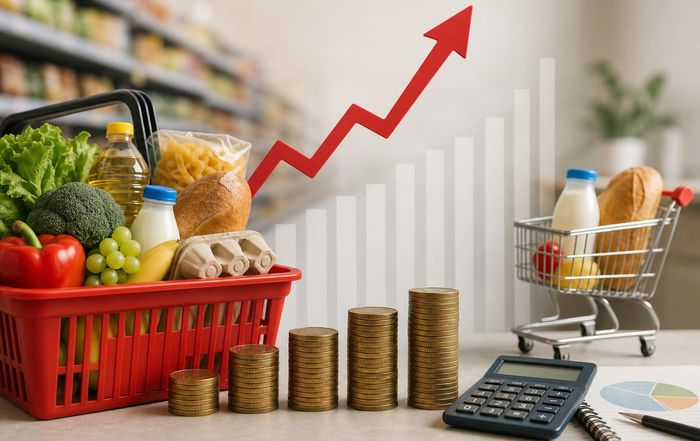
Grocery prices have become one of the most visible and emotionally charged indicators of inflation, reshaping how households plan, spend, save and invest. Across advanced and emerging economies, food costs have risen faster than many other categories over the past several years, and while headline inflation has moderated in many regions, food inflation has often remained stubbornly high or volatile. For readers of FinancialDailys, understanding how grocery inflation alters consumer behaviour is not just a matter of household budgeting; it is a window into broader shifts in demand, corporate strategy, labour markets, real estate and long-term investment themes.
The Scale and Nature of Grocery Inflation
Food inflation has been driven by a complex combination of supply shocks, structural shifts and policy responses. Weather disruptions, energy price spikes, fertiliser shortages, logistics bottlenecks and geopolitical tensions have all contributed to higher costs along the agricultural value chain. According to the Food and Agriculture Organization (FAO), global food commodity prices surged to record highs in 2022 before easing, yet many retail food prices remained elevated because of lags in supply contracts, wage pressures and persistent input costs. Readers can review the FAO's food price index and analysis via the FAO statistics portal.
In major economies, central banks and statistical agencies such as the U.S. Bureau of Labor Statistics (BLS), the UK Office for National Statistics (ONS) and Eurostat have documented that food-at-home inflation outpaced overall consumer price inflation for extended periods after the pandemic. Data from the BLS Consumer Price Index, accessible on the BLS official site, show that categories such as meat, dairy and cereals experienced particularly sharp increases, though more recent months have seen a deceleration or even outright price declines in certain segments. Nonetheless, cumulative price rises mean that a typical grocery basket remains significantly more expensive than it was only a few years ago, and this cumulative effect is what households feel most acutely.
Grocery inflation is also uneven across regions and income groups. The World Bank highlights that low-income households, which spend a higher share of their income on food, experience a disproportionately large hit to real purchasing power when food prices rise. Its food security updates, available through the World Bank food security page, underscore that in some emerging markets, food price spikes have had social and political repercussions, influencing subsidies, trade restrictions and social welfare policies.
How Household Budgets Are Rebalanced
When grocery prices rise faster than income, households adjust their budgets in ways that ripple through the broader economy. For many families in the United States, Europe and other advanced economies, food at home accounts for roughly 10-15 percent of disposable income on average, but this share can be substantially higher for lower-income groups. As grocery inflation persists, more income is diverted to essential food purchases, leaving less for discretionary categories such as travel, entertainment, apparel and even savings and investments.
Research from the Organisation for Economic Co-operation and Development (OECD), which can be explored via the OECD inflation and consumption datasets, indicates that higher food inflation tends to compress discretionary consumption and alter the composition of household spending rather than reducing food volumes dramatically in higher-income countries. Households stretch their budgets by trading down to cheaper brands, buying in bulk, seeking promotions and reducing waste, but they rarely cut food consumption in absolute terms beyond a certain threshold. This reallocation means sectors such as hospitality, non-essential retail and certain services may experience slower demand growth, a dynamic that FinancialDailys readers can track in more detail through the platform's consumer coverage and economy section.
In emerging markets, where food often represents 30-50 percent of household expenditures, budget adjustments can be more severe. The International Monetary Fund (IMF) has noted in its policy papers, available through the IMF research portal, that spikes in food prices can trigger cutbacks in health, education and other long-term investments in human capital, with lasting consequences for growth and inequality. Thus, grocery inflation is not only a short-term budgeting challenge but also a macroeconomic and social issue.
Trading Down: From Premium to Value
One of the most consistent behavioural shifts during periods of grocery inflation is the move from premium to value products. Households that previously favoured branded goods increasingly turn to private-label or store brands, which are often priced lower while maintaining acceptable quality. Data from NielsenIQ and Kantar, discussed in industry reports and summaries available via outlets such as NielsenIQ insights and Kantar's retail analysis, show that private-label penetration has risen across many categories, from pantry staples to household cleaning products.
Retailers such as Walmart, Tesco, Aldi, Lidl, Carrefour and Coles have responded by expanding their own-brand offerings, investing in packaging, quality assurance and marketing to position private labels as credible alternatives rather than mere budget options. Grocery inflation has therefore accelerated a long-running trend that favours large, efficient retailers and discounters, which can leverage scale to negotiate better terms with suppliers and pass some savings on to consumers. Investors following the markets and stocks coverage on FinancialDailys often monitor these shifts as they influence margins, market share and valuation multiples in the retail and consumer staples sectors.
For branded manufacturers, the trading-down trend has required a delicate balance between protecting margins and retaining customer loyalty. Many have resorted to "shrinkflation," reducing package sizes while keeping prices stable, or to "skimpflation," adjusting ingredients or formulations. Consumer advocates and regulators have scrutinised these practices, and while they are not universally prohibited, transparency and labelling standards are under debate in several jurisdictions. Readers can follow regulatory developments and consumer protection discussions through organisations such as Consumers International, accessible via Consumers International's website, and national consumer agencies.
The Rise of Discounters and Alternative Channels
Grocery inflation has reinforced the appeal of discount grocers, warehouse clubs and other value-oriented formats. Chains like Aldi and Lidl in Europe, Dollar General and Costco in North America, and various regional discounters in Asia and Latin America have seen increased traffic as consumers seek lower prices and promotions. Analysts covering the retail sector through platforms like S&P Global Market Intelligence have noted that these formats often outperform during inflationary periods, though competition remains intense.
At the same time, online grocery and delivery services have undergone a complex adjustment. The surge in online grocery adoption during the pandemic created expectations of convenience that many households now consider essential, yet the added fees and mark-ups associated with delivery can be difficult to justify when budgets are under pressure. Companies such as Instacart, Ocado, Amazon Fresh and local delivery startups have responded with subscription models, loyalty programmes and dynamic pricing, but profitability has been challenging. Investors and entrepreneurs can explore trends in this space through FinancialDailys' tech and startups coverage, which regularly examines how technology reshapes consumer markets.
In emerging markets, mobile-based ordering and informal retail continue to coexist. In countries such as India, Brazil and parts of Africa, traditional neighbourhood stores and open-air markets remain central to food distribution, but they are increasingly integrated with digital payment platforms and logistics networks. Initiatives documented by the World Economic Forum, which can be explored via the WEF's food systems pages, illustrate how digital tools can improve price transparency and supply chain efficiency, potentially mitigating some effects of inflation on end consumers.
Shifts in Diet, Nutrition and Health Choices
Grocery inflation does not only change where households shop and which brands they buy; it can also influence what they eat. When budgets are tight, consumers often prioritise calorie-dense, shelf-stable foods that offer perceived value, sometimes at the expense of fresh produce, lean proteins and specialised health products. Public health researchers, including those cited by the World Health Organization (WHO) and accessible via the WHO nutrition pages, have warned that prolonged periods of high food inflation can contribute to deteriorating diet quality, particularly among vulnerable populations.
However, the picture is nuanced. Some households respond to higher prices by cooking more at home, reducing restaurant spending, and learning new skills such as batch cooking, meal planning and home gardening. These behavioural shifts can, in some cases, lead to healthier eating patterns if consumers emphasise whole foods, legumes and seasonal produce. Resources from organisations such as Harvard T.H. Chan School of Public Health, accessible via the Healthy Eating Plate guidance, provide evidence-based frameworks for nutritious diets on a budget, and such guidance has gained renewed relevance.
For policymakers, the intersection of inflation, nutrition and health care costs is increasingly important. Subsidised school meal programmes, targeted food vouchers and tax policies on sugary or ultra-processed foods are being reassessed in light of changing price dynamics. The European Commission and the U.S. Department of Agriculture (USDA), through platforms such as USDA's Economic Research Service, publish extensive analysis on how food assistance and agricultural policy interact with market prices. Readers of FinancialDailys who follow public policy and global trends can find additional context via the platform's world section.
Implications for Savings, Debt and Investing
As grocery bills rise, households often have to make difficult choices about saving and debt repayment. Surveys conducted by central banks and financial regulators, such as the Federal Reserve's Survey of Household Economics and Decisionmaking in the United States, indicate that many families respond to higher living costs by reducing contributions to retirement accounts, drawing down savings or increasing credit card balances. Reports and data can be accessed via the Federal Reserve's consumer and community pages.
For personal finance and investing, this environment has several implications. First, emergency savings buffers become more critical, as volatile food and energy prices can cause sudden budget strains. Second, long-term investment contributions may become more irregular, which can affect compounding and asset allocation strategies. Third, households may seek income-generating assets or inflation-linked securities as a hedge against rising living costs. Readers can explore strategies and analysis tailored to these challenges in FinancialDailys' finance and investing sections, where experts examine how to align portfolios with evolving inflation dynamics.
From a macro perspective, persistent grocery inflation can also influence wage negotiations, as workers seek compensation that reflects higher living costs. This can contribute to what economists describe as second-round effects, where inflation expectations become embedded in wage and price-setting behaviour. Central banks, including the European Central Bank (ECB) and the Bank of England, monitor these dynamics closely, as documented in their monetary policy reports accessible via ECB publications and the Bank of England's research hub. The interaction between grocery inflation, wage growth and interest rates is therefore a critical theme for bond and equity investors alike.
Retailers', Producers' and Farmers' Strategic Responses
Grocery inflation has forced retailers, food manufacturers and farmers to reassess their strategies, cost structures and risk management frameworks. Many large retailers have invested heavily in supply chain optimisation, inventory management and data analytics to better forecast demand and negotiate with suppliers. Technologies such as AI-driven demand planning and real-time logistics tracking are increasingly used to minimise stockouts and reduce waste, as documented by industry groups and consultancies, including reports available through McKinsey & Company's retail insights.
Food manufacturers have pursued a mix of price increases, product reformulation and portfolio adjustment, often focusing on higher-margin categories or value-added products that can better absorb cost pressures. Some have also accelerated sustainability initiatives, recognising that more resilient and environmentally sustainable supply chains can mitigate certain long-term risks, such as climate-related crop failures or regulatory changes. Readers interested in the intersection of sustainability, agriculture and finance can explore related themes in FinancialDailys' sustainability section and through resources like the United Nations Environment Programme (UNEP), accessible via the UNEP food and environment pages.
For farmers and agricultural producers, grocery inflation is both an opportunity and a challenge. Higher food prices can boost revenues, but they are often accompanied by higher input costs for fertiliser, fuel, seeds and labour. Climate variability adds another layer of uncertainty. Agricultural research institutions and agencies, such as CGIAR and national agricultural extension services, emphasise the importance of climate-smart practices, crop diversification and risk management tools, including insurance. The OECD-FAO Agricultural Outlook, accessible via the OECD-FAO joint reports, provides forward-looking analysis on how these forces may shape food prices and production in the coming decade.
Property, Urban Planning and the Geography of Food Access
Grocery inflation also intersects with property markets and urban planning, as the geography of food retail affects both costs and accessibility. In many cities, rising commercial rents and consolidation in the grocery sector have led to concerns about "food deserts," where low-income neighbourhoods have limited access to affordable fresh food. Studies from institutions like Brookings and Urban Institute, available via Brookings Metro and Urban Institute research, highlight how the distribution of supermarkets, convenience stores and informal markets shapes household food choices and expenditure patterns.
Real estate investors and developers are increasingly attentive to grocery-anchored retail centres, which often provide stable foot traffic and relatively resilient cash flows even during economic downturns. For readers of FinancialDailys tracking property and real assets, the platform's property section offers additional analysis on how changing consumer patterns and retailer strategies influence commercial real estate valuations and development pipelines.
In some regions, community-supported agriculture (CSA), farmers' markets and cooperative grocery stores have emerged as alternative models that aim to balance affordability, local sourcing and social impact. While their market share remains modest compared with large chains, they illustrate how innovation in business models can respond to both inflationary pressures and consumer demand for transparency and sustainability. Organisations such as Slow Food International, accessible via Slow Food's website, document a growing interest in local, seasonal and ethically produced food, which can sometimes offer price stability when global commodity markets are volatile.
Labour Markets, Careers and Skills in the Food Economy
Grocery inflation has implications for careers and skills across the food system, from farm labour and logistics to data science and sustainability consulting. As retailers and manufacturers adjust to volatile costs and shifting consumer preferences, they increasingly seek professionals who can manage complex supply chains, apply data analytics to pricing and promotions, and design resilient and sustainable sourcing strategies. This creates opportunities for workers with expertise in operations research, agricultural economics, logistics technology and ESG integration.
At the same time, rising living costs have put pressure on wages for frontline workers in grocery stores, warehouses and food processing plants. Labour negotiations, minimum wage policies and the adoption of automation technologies are all influenced by the need to balance affordability for consumers with fair compensation and operational efficiency. Readers considering career paths in these fields can explore broader labour market trends and skill requirements through FinancialDailys' careers coverage and through resources such as the International Labour Organization (ILO), accessible via the ILO's future of work pages.
Education and reskilling initiatives are also evolving. Universities and business schools are expanding programmes in food systems management, sustainable supply chains and agribusiness finance, while online learning platforms provide accessible training in data analytics and operations management. This reflects a broader recognition that food systems are central to economic resilience, environmental sustainability and public health, and that managing grocery inflation effectively requires interdisciplinary expertise.
Long-Term Structural Themes for Investors and Policymakers
For investors, policymakers and informed readers of FinancialDailys, the way grocery inflation reshapes household spending patterns is part of a larger set of structural themes. Demographic changes, urbanisation, climate risk, technological innovation and evolving consumer values all interact with price dynamics in complex ways.
One key theme is food system resilience. Governments and multilateral organisations, including the G20 and World Trade Organization (WTO), have emphasised the importance of keeping food trade flows open and reducing unnecessary export restrictions during periods of price volatility, as documented in policy briefs available via the WTO agriculture and food security pages. Diversified sourcing, improved storage and logistics infrastructure, and better data on crop conditions can all help moderate extreme price swings and protect consumers.
Another theme is the integration of sustainability into mainstream food and agriculture investment. Asset managers and development finance institutions are increasingly directing capital toward climate-smart agriculture, regenerative farming, reduced food waste and alternative proteins. Initiatives led by organisations such as the Global Alliance for Improved Nutrition (GAIN) and the EAT Foundation, accessible via GAIN's programmes and EAT's food systems work, highlight how nutrition, climate and economic inclusion can be jointly addressed. For investors seeking to align portfolios with these trends, FinancialDailys provides ongoing coverage of ESG strategies and impact investing within its investing and business sections.
Digitalisation is a third structural driver. From precision agriculture and satellite monitoring to AI-driven retail pricing and personalised nutrition apps, technology is changing how food is produced, distributed and consumed. While digital tools do not eliminate the risk of inflation, they can enhance efficiency, transparency and responsiveness, potentially reducing the severity of price spikes over time. Technology-oriented readers can follow these developments through FinancialDailys' tech coverage and through specialised industry sources such as AgFunderNews, available via AgFunder's insights.
A Path Forward: Adapting to a New Grocery Reality
As the world continues to navigate the aftershocks of recent crises and ongoing structural changes, grocery inflation remains a central concern for households, companies and policymakers. The experience of the past several years has demonstrated that food price dynamics are shaped by global forces but felt locally, at the checkout counter and in the kitchen. Households adapt through careful budgeting, strategic shopping and, in many cases, lifestyle changes that affect nutrition, health and long-term financial planning.
For readers of FinancialDailys, the key is to connect these everyday experiences with broader economic and investment narratives. Monitoring how grocery inflation affects consumer confidence, discretionary spending and savings behaviour can provide early signals about the trajectory of retail earnings, monetary policy and sector rotation in equity markets. Following developments in agriculture, supply chains and sustainability can reveal long-term opportunities in areas such as agri-tech, infrastructure and climate-resilient assets. Exploring how labour markets and skills evolve within the food system can inform career decisions and human capital strategies.
Grocery inflation, while challenging, also prompts innovation and collaboration. Retailers refine their models, farmers experiment with new practices, policymakers revisit safety nets and trade rules, and consumers become more engaged with the origins and value of their food. By drawing on reliable data, diverse perspectives and rigorous analysis, platforms like FinancialDailys aim to equip readers with the insight needed to navigate this evolving landscape, manage personal and corporate finances more effectively, and contribute to a more resilient and inclusive global food economy.
