
Why Shipping Costs Matter for Inflation and Business Margins
Introduction: The Hidden Engine Behind Prices
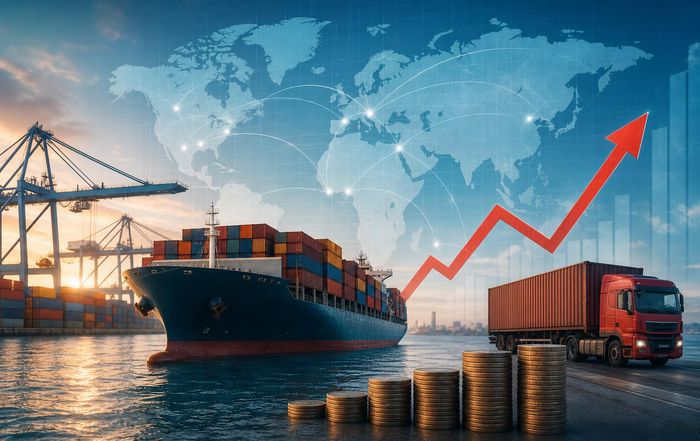
For many consumers, inflation is experienced at the checkout line, in rent negotiations, or when booking travel, yet a substantial share of what ultimately shows up in prices is shaped far earlier in the value chain, inside ports, freight terminals, and logistics networks. Shipping costs, whether for a container crossing the Pacific, a truck hauling goods across Europe, or a bulk carrier transporting grain from South America, play a pivotal role in how inflation evolves and how corporate margins are formed and sustained. As FinancialDailys continues to track the intersection of global logistics, macroeconomics, and corporate performance, the role of shipping costs has become central to understanding both the resilience and the vulnerabilities of the modern economy.
The experience of the pandemic era and its aftermath, with unprecedented spikes in container freight rates, port congestion, and supply chain disruptions, has transformed how central banks, investors, and corporate leaders think about logistics. Institutions such as the International Monetary Fund and World Bank have devoted increasing analytical attention to shipping costs as a transmission channel from global shocks to domestic inflation and profit margins, while central banks like the European Central Bank and the Federal Reserve have incorporated freight indicators into their broader inflation monitoring frameworks.
The Structure of Global Shipping Costs
Global shipping costs arise from a complex interplay of fuel prices, vessel and truck availability, port infrastructure, labour conditions, regulatory requirements, insurance, and geopolitical risks. Container shipping, which moves finished goods and intermediate inputs across major trade lanes such as Asia-North America and Asia-Europe, is typically tracked through benchmark indices such as the Drewry World Container Index and the Freightos Baltic Index, both of which provide regular updates on spot rates for standard container routes. These indices showed historically low and stable rates for much of the 2010s, followed by extreme volatility during and after the pandemic, underscoring how capacity constraints and demand surges can rapidly alter cost structures.
In parallel, bulk shipping markets, monitored through indicators like the Baltic Dry Index published by the Baltic Exchange, capture the cost of transporting commodities such as iron ore, coal, and grain. These bulk rates are heavily influenced by industrial demand in major economies, particularly China, and by fleet capacity decisions made by major shipping companies over multi-year investment cycles. Tanker markets, which transport crude oil and refined products, add another layer of complexity, as rates are affected by energy demand, sanctions, and trade route reconfigurations.
On land, trucking and rail freight costs are shaped by diesel prices, driver availability, regulatory standards such as emissions rules, and infrastructure bottlenecks. In the United States, data from the American Trucking Associations and rate benchmarks compiled by freight platforms help businesses gauge domestic logistics pressures. In Europe, organizations such as Eurostat and national transport ministries provide statistics on freight costs and volumes, which investors and corporates increasingly integrate into their planning.
Shipping Costs as a Driver of Inflation
Shipping costs matter for inflation because they are a critical component of the so-called "landed cost" of goods: the total expense of bringing a product from its origin to the final market. When freight rates rise sharply, importers and domestic distributors face a choice between absorbing the increase, passing it through to customers, or adjusting product mix and sourcing strategies. The degree to which these higher costs feed into consumer prices depends on competitive conditions, contract structures, and the broader macroeconomic environment.
Research by the International Monetary Fund has highlighted that global shipping costs can have statistically significant effects on inflation, with estimates suggesting that a large and persistent increase in container freight rates can add meaningful pressure to consumer prices over the following year or two, particularly in highly open economies that rely heavily on imported goods. Studies published by central banks and academic institutions, including work available through VoxEU and CEPR, have reinforced the view that shipping costs act as a propagation mechanism for external shocks, especially when capacity is tight and inventories are low.
The experience of recent years, when container rates on some major routes increased several-fold from their pre-pandemic levels, provided a real-world laboratory for this dynamic. Retailers, electronics manufacturers, furniture producers, and automotive companies in regions from North America to Europe and Asia reported higher logistics costs as a key factor behind price increases, alongside energy, labour, and raw material pressures. National statistical agencies such as the U.S. Bureau of Labor Statistics and Eurostat have documented how goods categories with high import intensity, such as household appliances and consumer electronics, often experienced more pronounced price swings during periods of freight disruption.
At the same time, the relationship between shipping costs and inflation is neither mechanical nor uniform. The Bank for International Settlements and other institutions have noted that the pass-through of higher freight costs depends on monetary policy credibility, exchange rate movements, and inflation expectations. In economies where central banks have firmly anchored expectations, businesses may be more cautious about aggressive price hikes, leading to more margin compression and slower transmission. In contrast, in environments where inflation is already elevated and expectations are less anchored, shipping shocks can more readily feed into broader price-setting behaviour.
For readers of FinancialDailys tracking macroeconomic trends, this means that monitoring freight indices, port congestion metrics, and logistics capacity has become an essential complement to traditional indicators such as unemployment rates and producer prices, particularly for understanding short- to medium-term inflation risks. Coverage across the economy and markets sections of financialdailys can help contextualize these developments for both institutional and retail audiences.
Business Margins Under Pressure: From Retailers to Manufacturers
From a corporate perspective, shipping costs are a direct input into margin dynamics. When freight becomes more expensive, businesses must decide how much of that increase can be passed on without eroding demand or competitive positioning. The answer varies significantly by sector, bargaining power, and business model.
Large multinational retailers and consumer goods companies, including firms such as Walmart, Amazon, Tesco, and Carrefour, often have significant negotiating leverage with carriers and can secure long-term contracts that smooth volatility. They may also operate their own logistics assets, such as chartered vessels, dedicated trucking fleets, and advanced warehouse networks, which provide greater control over costs. Nonetheless, during periods of extreme disruption, even these players have reported margin pressures and the need to optimize inventory and pricing strategies. Analysts at organizations such as McKinsey & Company and Deloitte have documented how leading retailers responded by reconfiguring supply chains, diversifying suppliers, and increasing nearshoring and regionalization efforts.
Manufacturers in sectors such as automotive, electronics, and machinery, which often rely on just-in-time production and globally distributed component networks, face a different set of challenges. When shipping costs spike or capacity becomes constrained, they not only face higher expenses but also risk production delays and lost sales. Companies like Toyota, Volkswagen, and Samsung Electronics have publicly discussed the importance of supply chain resilience, including logistics diversification and inventory buffers, in their strategy updates and investor communications. These shifts have direct implications for margins, capital allocation, and long-term competitiveness.
For small and medium-sized enterprises, especially exporters in emerging markets or niche producers in Europe and North America, the impact can be even more acute. Lacking the bargaining power and scale of large multinationals, they may pay higher spot rates and have limited ability to pass on costs, squeezing margins and potentially forcing some to exit certain markets. Organizations such as the OECD and World Trade Organization have examined how rising logistics costs and supply chain concentration can disadvantage smaller firms and reduce trade inclusiveness.
Readers exploring the business and startups coverage on FinancialDailys can see how entrepreneurs and mid-market companies are responding, from investing in digital freight platforms to forming logistics cooperatives and exploring alternative trade routes. These adaptations highlight the growing recognition that shipping is no longer a background function but a strategic variable in business planning.
Sectoral Differences: Who Wins and Who Loses from Shipping Volatility
Shipping cost volatility does not affect all sectors equally; some industries are more freight-intensive or more sensitive to delivery times than others. Understanding these differences is crucial for investors, portfolio managers, and corporate strategists who rely on FinancialDailys for insight into sector rotation and risk management.
Consumer goods and retail often sit at the forefront, as they typically involve high volumes of relatively low-margin products moving across long distances. Apparel, furniture, toys, and household goods have all been cited in research by firms such as Kearney and Boston Consulting Group as particularly exposed to container freight swings. When shipping costs surge, these sectors may face difficult trade-offs between raising prices, shrinking product ranges, or accepting lower profitability.
In contrast, high-value, low-weight products such as pharmaceuticals, luxury goods, and certain electronics can sometimes absorb higher freight costs more easily, because logistics represents a smaller share of the final price. However, these sectors are often highly sensitive to timing and quality, meaning that disruptions in air freight or specialized cold-chain logistics can have disproportionate operational impacts. Reports by the World Health Organization and International Air Transport Association have emphasized the importance of resilient logistics for vaccine distribution and critical medical supplies.
Commodities and heavy industry are heavily influenced by bulk and tanker shipping costs, which can significantly affect delivered prices for iron ore, coal, grain, and energy products. For example, when the Baltic Dry Index rises, mining and agriculture exporters may gain pricing power, while import-dependent manufacturers and utilities face cost pressures. Market participants tracking commodities through leading exchanges and financial platforms, including coverage in the markets and stocks sections of FinancialDailys, increasingly incorporate freight indicators into their pricing and hedging models.
Logistics providers themselves, including container lines such as Maersk, MSC, and Hapag-Lloyd, as well as freight forwarders like DHL Group and Kuehne+Nagel, can experience margin expansion during periods of elevated rates, though they also face higher fuel costs, regulatory compliance expenses, and capital expenditure requirements. Analysts at S&P Global and Moody's have noted that while strong freight markets can boost earnings, they may also attract new capacity and regulatory scrutiny, making sustained outperformance challenging.
Geopolitics, Regulation, and the New Geography of Shipping
Shipping costs are not solely a function of market demand and operational efficiency; they are increasingly shaped by geopolitics, environmental regulation, and shifting trade patterns. Events such as port closures, canal disruptions, regional conflicts, and sanctions can rapidly alter routes and costs, with ripple effects across global supply chains and inflation dynamics.
Geopolitical tensions affecting key maritime chokepoints, including the Suez Canal, the Strait of Hormuz, and the South China Sea, have prompted shipping companies and insurers to reassess risk premiums and routing decisions. The International Chamber of Shipping and Lloyd's List regularly report on how security concerns and naval incidents can lead to longer voyages, higher fuel consumption, and elevated insurance costs, all of which ultimately influence freight rates and, by extension, consumer prices and corporate margins.
At the same time, environmental regulations are reshaping the cost structure of shipping. The International Maritime Organization has introduced and tightened rules aimed at reducing sulphur emissions and greenhouse gases from vessels, pushing carriers to invest in cleaner fuels, more efficient ships, and emissions-reduction technologies. These investments, while essential for climate objectives, involve significant capital outlays and can raise operating costs, at least during the transition phase. Analysts at organizations such as the International Energy Agency and Transport & Environment have examined how decarbonization pathways for shipping may affect freight rates and trade patterns over the coming decades.
In parallel, regional initiatives such as the European Union's inclusion of maritime emissions in its Emissions Trading System and discussions around carbon border adjustment mechanisms are likely to influence route selection, port competitiveness, and modal shifts between sea, rail, and road. For businesses and investors following developments through the sustainability and trade sections of FinancialDailys, these regulatory trends represent both risks and opportunities, particularly for companies that can innovate in green logistics and energy-efficient transport.
The broader reconfiguration of global trade, including trends toward nearshoring, friendshoring, and diversification away from single-country dependencies, also has implications for shipping costs. Reports by the World Economic Forum, UNCTAD, and major consultancies have documented how manufacturers in sectors such as electronics, automotive, and pharmaceuticals are exploring production footprints that reduce exposure to long, fragile supply chains. While such strategies may entail higher unit labour costs in the short term, they can potentially lower logistics risk and volatility, leading to a more stable cost base and improved resilience.
Central Banks, Markets, and the Freight-Inflation Nexus
As shipping costs have become more volatile and more visible, central banks and financial markets have taken greater interest in freight indicators as part of their broader inflation assessment. In policy speeches and research publications, institutions such as the Federal Reserve, the Bank of England, and the European Central Bank have referenced supply chain and logistics measures as important inputs into understanding transitory versus persistent inflation pressures.
Market participants increasingly track container and bulk indices alongside traditional leading indicators. For example, asset managers and hedge funds may examine correlations between freight rates and sectors such as retail, industrials, and commodities, adjusting portfolio exposures accordingly. Equity analysts covering shipping companies, retailers, and manufacturers pay close attention to management commentary on logistics costs during earnings calls, often using this information to refine margin forecasts and valuation models.
For readers of FinancialDailys, the integration of freight analytics into broader investing and stocks coverage provides a richer understanding of how logistics dynamics affect equity performance, credit spreads, and sector rotation. When shipping costs rise abruptly, investors may anticipate margin compression in freight-intensive sectors and relative outperformance among logistics providers and certain commodity exporters. Conversely, when freight rates normalize or decline, companies that previously faced headwinds may experience relief rallies, particularly if they have taken structural steps to improve supply chain resilience.
Bond markets and inflation-linked securities also respond to shipping developments, especially when freight shocks coincide with other supply-side disturbances such as energy price spikes or extreme weather events affecting key ports and trade routes. Research by institutions like BlackRock and PIMCO has explored how supply chain indicators can inform inflation expectations and duration positioning, illustrating the growing sophistication with which logistics data is being incorporated into macro and multi-asset strategies.
Strategic Responses: Technology, Data, and Resilient Logistics
Faced with the reality that shipping costs can no longer be treated as a stable background variable, businesses across sectors are investing in technology, data, and strategic partnerships to manage logistics risk more proactively. Digital freight platforms, advanced analytics, and real-time tracking tools are transforming how companies plan and execute transport, allowing for more dynamic routing, better capacity utilization, and earlier detection of bottlenecks.
Companies such as Flexport, Project44, and FourKites, alongside established logistics players, are providing integrated visibility solutions that combine data from carriers, ports, customs authorities, and IoT devices, giving shippers and consignees a more granular view of their supply chains. Reports by Gartner and IDC highlight how supply chain control towers and predictive analytics can help businesses anticipate disruptions, optimize inventory placement, and adjust pricing strategies in response to changing freight conditions.
Automation and robotics in ports and warehouses, as seen in facilities operated by DP World, PSA International, and major e-commerce companies, can improve throughput and reduce labour-related bottlenecks, though they require substantial capital investment and careful change management. The deployment of artificial intelligence for demand forecasting, route optimization, and capacity planning further enhances the ability of firms to align logistics with financial objectives, including margin protection and working capital efficiency.
For the readership of FinancialDailys, which spans finance professionals, corporate executives, and sophisticated retail investors, these developments underscore the importance of integrating logistics considerations into financial and strategic decision-making. Coverage in the tech, finance, and banking sections of financialdailys can help illustrate how fintech and supply chain finance solutions are supporting companies in managing cash flows tied to shipping cycles, while also enabling investors to identify emerging leaders in digital logistics and supply chain technology.
Real Estate, Property, and the Physical Backbone of Trade
Shipping costs and logistics dynamics are closely linked to the property markets that support trade, including ports, intermodal hubs, warehouses, and last-mile distribution centers. As e-commerce penetration has increased and just-in-time models have evolved into more "just-in-case" approaches with higher inventory buffers, demand for strategically located logistics real estate has grown significantly in regions such as North America, Europe, and parts of Asia.
Real estate investment trusts and property developers specializing in logistics assets, including companies like Prologis and GLP, have reported strong interest from tenants seeking modern, energy-efficient facilities that can support automation, high throughput, and advanced inventory management. Research from organizations such as CBRE and JLL indicates that vacancy rates in prime logistics locations have often remained tight, even as broader commercial real estate markets faced challenges in sectors like office space.
This interplay between shipping, warehousing, and property has direct implications for costs and margins. When suitable logistics space is scarce or expensive, businesses may face higher rent and operating expenses, which can compound the impact of elevated freight rates. Conversely, well-designed logistics networks that minimize transit times and optimize inventory placement can help offset shipping cost volatility and improve overall supply chain efficiency.
Readers interested in the nexus between logistics and real estate can find further analysis in the property and world sections of FinancialDailys, where coverage of global infrastructure investment, port modernization projects, and logistics-focused real estate transactions offers insight into how capital is being deployed to strengthen the physical backbone of trade.
Looking Ahead: Shipping Costs in a More Uncertain World
The coming years are likely to see continued interaction between shipping costs, inflation, and business margins, shaped by technological change, regulatory evolution, and shifting geopolitical and economic landscapes. While forecasting specific freight rate levels remains challenging due to the inherent volatility of global trade, certain structural trends are increasingly clear.
First, logistics will remain central to inflation analysis and corporate strategy. Central banks, investors, and business leaders will continue to monitor freight indicators as part of their broader assessment of supply-side pressures and pricing power. For FinancialDailys, integrating logistics perspectives into coverage of economy, markets, and consumer trends will be essential to providing readers with a comprehensive understanding of price dynamics.
Second, decarbonization and sustainability will play a growing role in shaping shipping costs. As regulators and industry bodies tighten emissions standards and promote alternative fuels such as green methanol, ammonia, and hydrogen, shipping companies and their customers will face new cost structures and investment needs. Organizations including the Global Maritime Forum and Getting to Zero Coalition are working with industry participants to chart viable pathways, but the transition will require substantial coordination and capital.
Third, the geography of trade is likely to continue evolving, with implications for route selection, port development, and logistics investments. As companies diversify sourcing and production footprints, new corridors may gain prominence, while others may see relatively slower growth. Policymakers and investors will need to consider how infrastructure, regulatory frameworks, and digital capabilities can support these shifts in a way that enhances resilience and competitiveness.
Ultimately, shipping costs are more than a line item on a profit and loss statement; they are a reflection of how efficiently and securely the world moves goods, connects markets, and supports economic growth. For businesses striving to protect margins, for policymakers seeking to manage inflation, and for investors looking to allocate capital wisely, a deep understanding of logistics has become indispensable. Through ongoing coverage across its finance, investing, markets, business, and related verticals, FinancialDailys aims to equip its audience with the insight needed to navigate this increasingly interconnected landscape, where the cost of moving a container or a truckload can reverberate from factory floors and trading desks to household budgets and long-term investment returns.
